


How to Declutter Your Home the Easy Way

If you’re staring at piles of stuff and feeling like your home has taken over your life, you’re not alone. Learning how to declutter your home can completely transform your space – and your stress levels. A cleaner, more organized home means less time searching for things, easier cleaning, and that peaceful feeling that comes from having everything in its place.

The good news? You don’t need to tackle your whole house at once or get rid of all your stuff overnight. This guide will walk you through simple, manageable steps to get your home (and your sanity) back on track.

Start Small

The biggest mistake people make is trying to declutter their entire house in one weekend. That’s a recipe for burnout and giving up halfway through.

Instead, when you’re ready to learn how to start decluttering, pick the smallest, easiest area you can think of. Maybe it’s your junk drawer, the top of your dresser, or even just your coffee table. The goal isn’t to make a huge difference right away – it’s to prove to yourself that you can do this.

Most people feel overwhelmed because they focus on everything at once. But here’s the thing – you only need to worry about one room at a time, or even just one corner of one room. Spend 10-15 minutes on this one small area. Pull everything out, wipe it down, and only put back what actually belongs there.

Start with areas that don’t have a lot of sentimental value. Kitchen counters, bathroom drawers, and that coffee table covered in random stuff are perfect beginner spots because the decisions are usually pretty straightforward.

If You Feel Overwhelmed

If you’re feeling overwhelmed, take a deep breath and start small. If you’re wondering how to start decluttering when overwhelmed, focus on just one room and try the 15-minute rule—set a timer and work until it rings. It’s about progress, not perfection, and helps keep the task manageable.

So many people get stuck trying to declutter everything at once, but it’s easier to begin with the obvious stuff. Grab a trash bag and toss broken items or expired food. You’re not making tough choices yet, just clearing space. Remember, you’re not throwing away memories—you’re making room for what truly matters.

Make a Simple Checklist

Having a decluttering checklist keeps you focused and helps you see progress. Here are the main areas most people need to tackle:

  • Kitchen: Expired food, duplicate utensils, appliances you never use
  • Bedroom: All your clothes that don’t fit, old bedding, items on nightstands
  • Bathroom: Expired medications, old makeup, and towels with holes
  • Living room: Books you won’t read again, DVDs, random papers
  • Closets: Clothes you haven’t worn in a year, old shoes, empty hangers
  • Garage/basement: Broken tools, holiday decorations you don’t use, sports equipment nobody plays with
  • Office/paperwork: Old bills, manuals for things you don’t own, broken electronics

Don’t try to do everything at once. Pick one category from this list and focus on just that space. Check it off when you’re done – you’ll be surprised how satisfying that feels. The point is to break down what seems like an impossible mess into manageable chunks.

Need to Declutter Fast?

Sometimes life throws you a curveball, and you need to figure out how to declutter your home fast. Maybe you’re having guests over, trying to sell your house, or just can’t stand the mess anymore.

Here’s how to make quick progress:

  • Set a timer for 20 minutes and grab a trash bag. Race against the clock to fill it with obvious junk. The time pressure actually helps you make faster decisions and stops you from overthinking every item.
  • Try the four-box method – get four boxes and label them: Keep, Donate, Trash, and Relocate. Go through one room and put everything into one of these four boxes. Don’t spend more than a few seconds on each decision. You can always refine your choices later, but this gets the bulk of the work done fast.
  • Focus on surfaces first. Clear off counters, tables, and dressers. Even if you just pile the belongings in a cardboard box for now, having clear surfaces makes your whole house look cleaner instantly.
  • Handle papers immediately. Most people have piles of papers everywhere. Sort them into three categories: keep and file, act on soon, and recycle. Most papers can go straight to the recycling center.

Remember, fast decluttering isn’t about perfection – it’s about making noticeable improvement quickly. You can always go back and organize the rest later.

Dealing with Sentimental Stuff

Figuring out how to declutter sentimental items is probably the hardest part of the whole process. These are the things that make you pause and think, “But what if I need this someday?” or “This reminds me of…”

First, understand that it’s completely normal to feel emotional about letting go of certain belongings. Give yourself permission to keep some meaningful things, just not everything. The idea isn’t to get rid of all your stuff, but to keep only what truly adds value to your life.

Here are some gentle decluttering tips:

  • Take photos of items that hold memories but aren’t practical to keep. You can create a digital album of your grandmother’s china or your kids’ artwork without storing boxes of physical items.
  • Keep the best, donate the rest. If you have 20 coffee mugs from various trips, keep your favorite 2-3 and let the other items make someone else happy at a thrift shop.
  • Set a limit. Use a memory box or small bin for truly sentimental items. When it’s full, you have to make choices about what matters most.

If you have young kids, involve them in the process. Let them help decide which toys to donate to other children. It teaches them valuable lessons about giving and helps them understand that you don’t need to keep everything forever.

Before You Move

If you’re decluttering before moving, you have a huge advantage: motivation. Nobody wants to spend money packing and hauling stuff they don’t actually need to their new place.

  • Start early. Don’t wait until two weeks before your move. Begin at least 6-8 weeks ahead if possible. The process takes longer than most people think, especially if you haven’t decluttered in five years or more.
  • Use the “would I pack this?” test. As you handle each item, ask yourself if you’d want to wrap it, box it, load it in a truck, and find a proper home for it in your new space. If the answer is no, donate it now.
  • Think about your new space. If you’re moving to a smaller place, be realistic about what will fit. If you’re moving somewhere with a different climate, you might not need all those heavy winter coats.
  • Sort as you pack. Use this time to go through everything systematically. Have your husband or family help – make it a team effort rather than trying to do everything yourself.
  • Pack a “first day” box with essentials so you’re not digging through boxes to find your toothbrush and phone charger.

Moving is stressful enough without bringing a bunch of clutter to your new place. Think of decluttering as giving yourself a fresh start and making the move easier.

What to Keep and What to Toss

Learning how to decide what to throw away when decluttering gets easier with practice, but here are some guidelines to help you make decisions:

Keep items if they:

  • You’ve used them in the past year
  • They’re in good working condition
  • They serve a specific purpose in your life
  • They bring you genuine joy (not just guilt)
  • You have space to store them properly

Consider letting go if:

  • You haven’t used it in over a year
  • It’s broken and would cost more to fix than replace
  • You have multiple items that do the same thing
  • It doesn’t fit your current lifestyle
  • You’re keeping it “just in case,” but can’t think of a realistic scenario where you’d need it

Examples of things most people can let go:

  • Clothes that don’t fit (keep one size up/down max)
  • Books you’ll never read again
  • Kitchen gadgets you never use
  • Old electronics that don’t work
  • Expired makeup, medicine, or food
  • Broken items you’ve been meaning to fix for months
  • Decorations that don’t match your current style

Marie Kondo’s KonMari method suggests keeping only what “sparks joy,” which can be helpful for some people. But don’t get too caught up in any one organizing system – the best method is the one that actually works for your life.

When you’re on the fence about something, put it in a “maybe” box. Store it somewhere out of the way for six months. If you don’t go looking for anything in that box during that time, you probably don’t need any of it.

Getting Rid of the Junk

Once you’ve sorted through everything, you need to know how to get rid of junk efficiently. Don’t let bags and boxes sit around for three months – that just creates new clutter.

For donations:

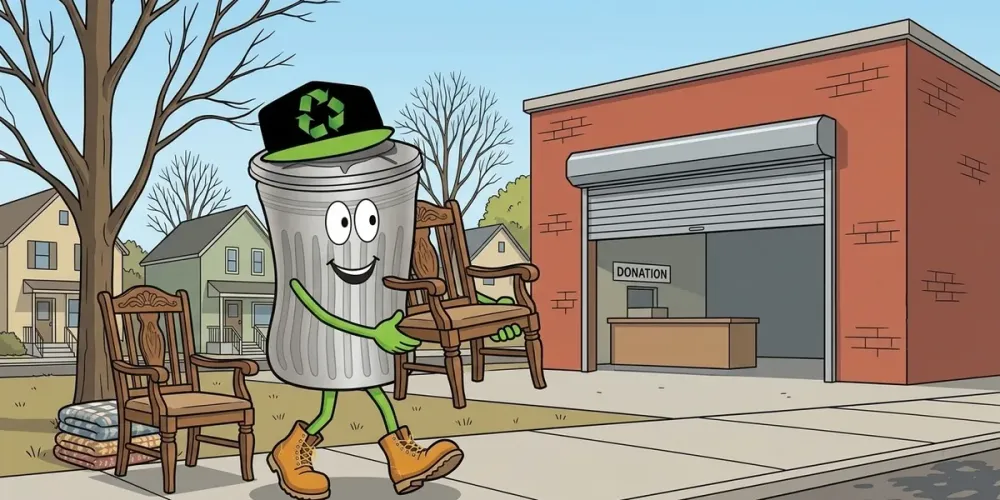
  • Goodwill, Salvation Army, and local charity shops
  • Women’s shelters (clothing, household items)
  • Libraries (books)
  • Schools (art supplies, books)
  • Animal shelters (old towels and blankets)

Use a laundry basket to collect donation items as you go through each room – it’s easier to carry than boxes, and you can see what you’ve gathered.

For items in good condition, you want to sell:

  • Facebook Marketplace or Craigslist for furniture and electronics
  • Consignment stores for clothes and accessories
  • Garage sales for lots of miscellaneous items (though remember, the point is to get rid of stuff, not necessarily make money)

For actual trash and items that can’t be donated: This is where it gets tricky. Some items are too big for regular trash pickup, and others need special disposal.

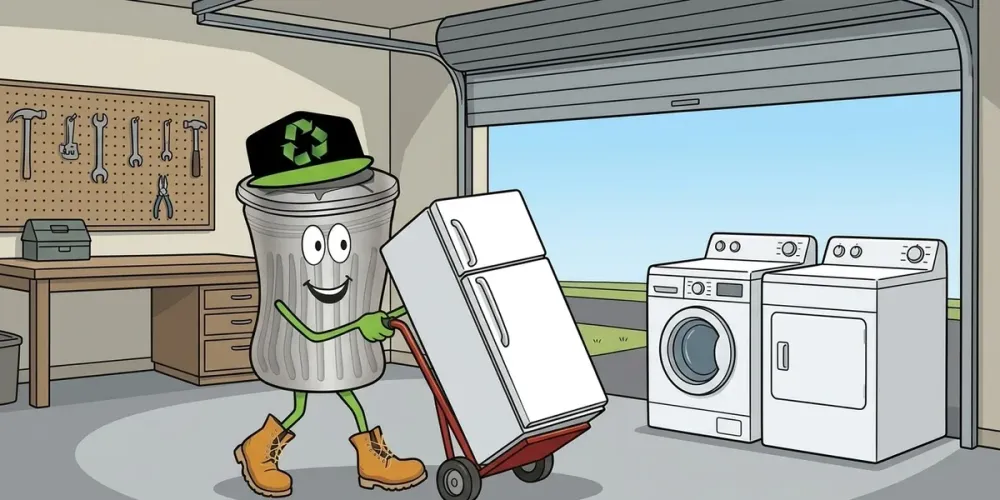
For big, bulky items or when you just have too much stuff to handle yourself, consider calling a professional junk removal service. They’ll come to your house, haul everything away, and handle proper disposal and recycling. It’s especially helpful if you have:

  • Old furniture or appliances
  • Multiple bags of donations and trash
  • Items that are too heavy to move yourself
  • Hazardous materials that need special handling

The cost is usually worth it for the time and hassle it saves, especially if you’re dealing with a whole house cleanout or moving situation. Sometimes it makes more sense to hire a professional organizer for the sorting and a junk removal service for the hauling – you don’t have to do everything yourself.

Conclusion

Decluttering your home doesn’t have to be overwhelming. Start small, use simple strategies, and focus on progress, not perfection. Whether you’re moving, letting go of sentimental items, or just tired of the mess, clearing out clutter creates more space, less stress, and a calmer home. And if it feels like too much, a junk removal service can make the process easier.

Need help hauling away your junk once you’ve sorted through everything? Trash Can Willys offers easy, same-day pickup across New Hampshire and Massachusetts. We’ll handle the heavy lifting so you can enjoy your newly decluttered space. Contact us today to get started.

FAQs

What is the 20/20 rule for decluttering?

The 20/20 rule says that if you can replace an item for under $20 and in under 20 minutes, it’s safe to get rid of it. This helps you let go of “just in case” items that are easily replaceable if you ever actually need them.

How do I start decluttering my home?

Start with one small, easy area like a single drawer, your coffee table, or bathroom counter. Spend just 10-15 minutes clearing it out completely, then move on to the next small area when you’re ready.

What is the golden rule of decluttering?

The golden rule is “if you haven’t used it in a year, you probably don’t need it.” This simple guideline helps you make decisions quickly without getting stuck on every single item.

What is the 12-12-12 rule for decluttering?

The 12-12-12 rule means finding 12 items to throw away, 12 items to donate, and 12 items to put back in their proper place. It’s a quick way to make noticeable progress in any room without feeling overwhelmed.


Related posts