


Most of us have far more stuff than we actually use, but learning how to decide what to throw away when decluttering doesn’t have to feel overwhelming. With a simple, step-by-step approach, you can cut through the clutter and take control of your space. Decluttering isn’t about tossing everything; it is about making room for what truly matters.
Whether it’s sentimental keepsakes, seasonal items, or everyday things piling up, this guide will help you make confident choices about what stays and what goes so your home feels calm, organized, and truly yours. A clutter-free space can boost your mood, reduce stress, and make daily life easier.
Why Decluttering Decisions Feel So Hard
Before diving into the practical steps, it’s important to understand why deciding what to throw away feels so difficult. Our attachment to stuff runs deeper than simple practicality.
Sentimental Attachments
We often hold onto items long past their usefulness because of emotional ties. That teddy bear from childhood, old pictures that bring back memories, or tea sets inherited from grandparents all carry emotional weight. We feel guilty about letting go of these meaningful messages from our past, even when they’re contributing to clutter building up in our current home.
Financial Guilt
Throwing away something you spent good money on can feel like admitting defeat. Whether it’s unused craft supplies, hobby materials, clothing that no longer fits, or tools for abandoned projects, financial guilt often convinces us to keep things we don’t use or need.
“Just in Case” Thinking
Many people hold on to items with future plans in mind. You might save gardening tools, thinking you’ll finally start that backyard project next spring. But these items often go untouched for years, adding to the clutter and taking up valuable space.
The truth is, keeping too much stuff costs us more than letting go ever could. Every item you own requires mental energy to manage, physical space to store, and time to clean around. Creating more room in your home isn’t just about aesthetics – it’s about creating space for your life to breathe and grow.
The Ultimate 15-Question Framework for Smart Decluttering
When you’re ready to start decluttering, use these questions to guide your decisions. Work through each item systematically, and you’ll find the process becomes much clearer.
Questions About Usage and Value
1. Have I used this item in the past year?
If you haven’t touched something in 12 months, it’s probably safe to get rid of it. This includes seasonal items like that snow blower you never use or clothes you haven’t worn. The only exceptions are items you’re saving for the near future, like baby gear for another child.
2. Would I buy this same item today if I saw it in a store?
If you wouldn’t spend money on it now, it’s not adding value to your life. This simple test cuts through emotional attachment and focuses on current worth. It helps you view your belongings through a practical, present-day lens.
3. Do I have duplicates of this item?
Most people don’t need multiple versions of the same thing taking up precious space. Keep the best one and donate the rest. You’ll be surprised how much more room this creates throughout your house.
Questions About Emotions and Attachment
4. Does this item make me feel confident and good about myself?
This is especially important for clothing. If something doesn’t make you feel good when you wear it, why keep it? Life is too short to fill your closet with clothes that don’t serve your current body shape and style.
5. Am I keeping this for sentimental reasons that don’t really matter anymore?
It’s okay to keep some meaningful items, but be selective. Consider taking photos of items with sentimental value instead of storing the physical copies. This way, you preserve the memory without the clutter.
6. Is guilt the only reason I’m holding onto this?
Whether it’s a gift you never wanted or an expensive purchase you regret, guilt isn’t a good enough reason to give up valuable space in your home. Someone else could probably use these items and actually enjoy them.
Questions About Practicality and Future Use
7. If I were carefully packing to move tomorrow, would I want to take this with me?
This “moving test” is incredibly effective. If you wouldn’t bother packing something for a move, why let it take up space now? Thinking this way helps you evaluate each item based on its true importance in your daily life.
8. Could someone else get more use out of this than I do?
Items sitting unused in your home could be making a real difference in someone else’s life. That box of kids’ clothes your children outgrew, kitchen gadgets you never use, or books you’ll never read again could bring joy to others.
9. Am I keeping this because of how much I spent on it?
The money is already gone whether you keep the item or not. Holding onto something you don’t use won’t bring that money back – it just costs you more in terms of space and mental energy.
10. Do I have a specific plan to use this in the near future?
Be honest about those future plans. If you’ve been saying you’ll use something “someday” for more than a year, it’s time to let it go. Your hopes and dreams shouldn’t become clutter in your home.
Questions About Space and Maintenance
11. Is this item worth the space it takes up?
In smaller homes especially, every square foot matters. Ask yourself if each item earns its spot in your living space. Holding onto things that no longer serve a purpose can crowd out the items you actually use and value.
12. Do I enjoy cleaning and maintaining this item?
Everything you own requires some level of care. If you dread dealing with something, that’s a clear sign it should go. Items that are hard to maintain often end up being more of a burden than a benefit.
13. Could I easily replace this if I needed it again?
Common items that are easily replaceable shouldn’t take up permanent residence in your home “just in case.” If something can be found quickly and affordably, it’s usually not worth the space and mental load of keeping it long term.
Questions About Money and Value
14. Could I make money by selling this instead of just storing it?
If something has value but you’re not using it, consider a garage sale or online selling. Turn your unused stuff into cash while creating more space. Letting go becomes easier when you know it could benefit your wallet and someone else who actually needs it.
15. Is storing this costing me more than it’s worth?
Consider the true cost of storage, both the physical space and the mental energy of managing clutter. Keeping something “just in case” can quietly drain your time, focus, and living space without offering much real value in return.
Room-by-Room Decluttering Strategy
Decluttering by room is a simple and effective way to stay organized and avoid feeling overwhelmed. Use targeted strategies for each area to make steady progress and create a cleaner, more functional home.
Kitchen and Dining Areas
Start with expired items; they’re easy decisions. Then tackle duplicate gadgets, dishes you never use, and appliances that just take up counter space. Keep only what you actually cook with regularly. A clutter free kitchen makes meal prep easier and more enjoyable.
Bedrooms and Closets
Focus on clothes that fit your current life and body. Get rid of anything that doesn’t make you feel confident. Organize seasonal items properly, storing off-season clothes in labeled boxes to free up daily closet space. A simplified wardrobe can make your mornings feel less rushed.
Living Areas
Remove items that don’t contribute to relaxation or entertainment. Keep surfaces clear and store only what you actually use in these spaces. A tidy living room sets the tone for a calm and welcoming home environment.
Storage Areas and Garages
These spaces often become dumping grounds for items we can’t decide about. Be extra ruthless here; if it’s been in storage for years without being missed, you probably don’t need it. Reclaiming these areas can open up space for things that actually serve your current lifestyle.
Smart Disposal Options
Once you decide to get rid of something, choose the best method:
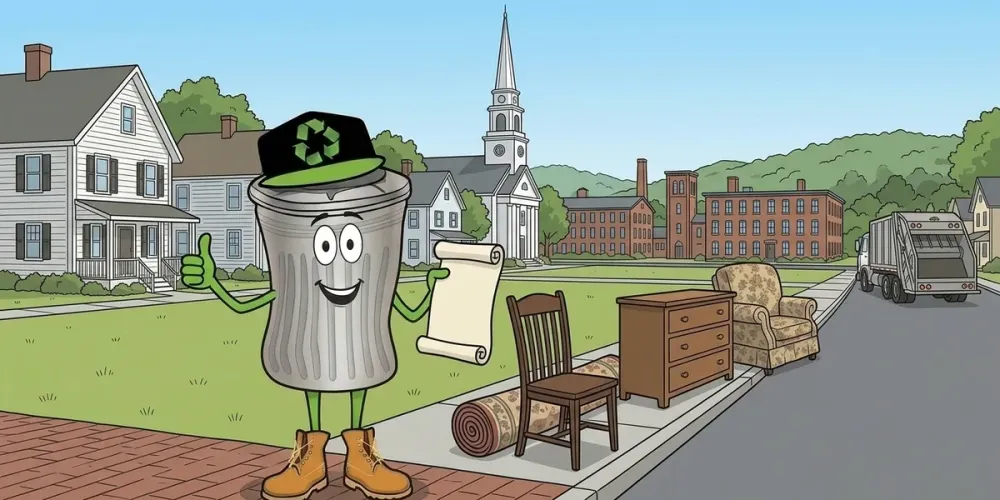
- Donate: Good condition items that others could use
- Sell: Valuable items worth the time to list online or include in a garage sale
- Recycle: Items with recyclable materials
- Trash: Broken, damaged, or unsalitary items
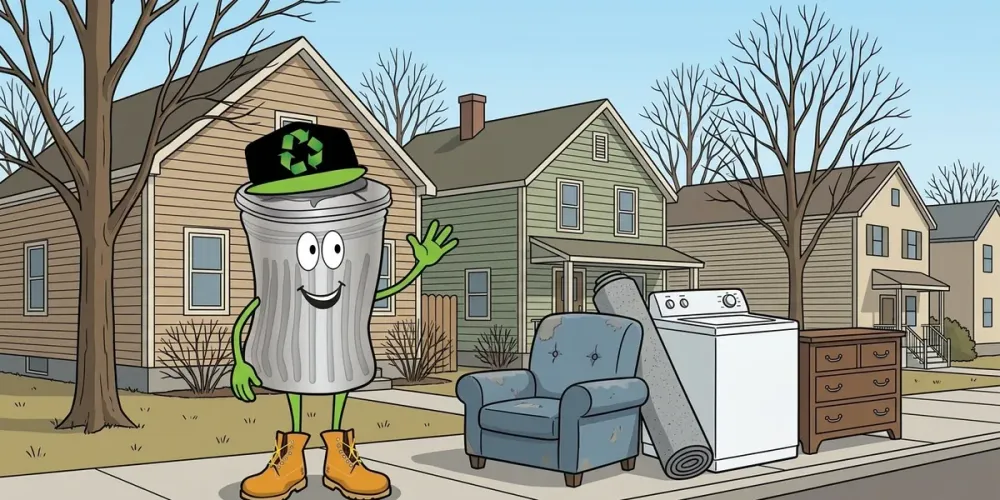
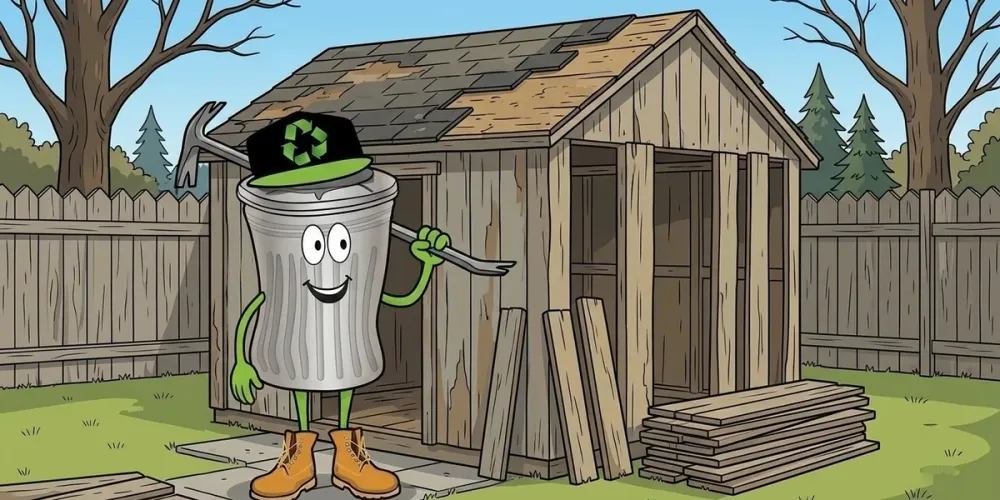
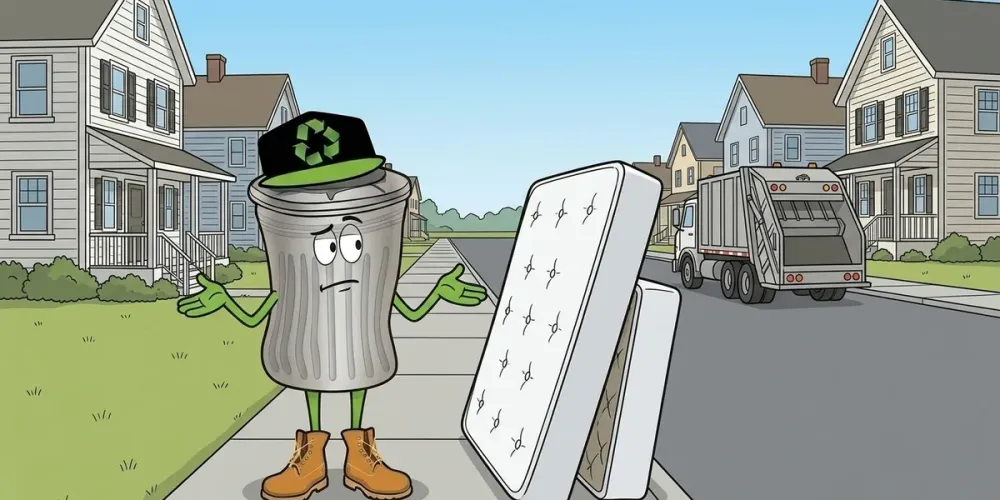
- Professional disposal: Large items, hazardous materials, or when you have too much stuff to handle alone
Creating Long-Term Success
The end goal isn’t just a one-time cleanout – it’s maintaining a clutter-free home that supports your life. Here are some strategies that work:
- Practice the “one in, one out” rule. When you bring something new home, something else should leave.
- Do regular mini-decluttering sessions. Spend 15 minutes each week going through one small area instead of letting clutter build up again.
- Be mindful about what you bring into your home. Before buying something, ask yourself where it will live and whether you really need it.
- Involve your family. Make decluttering a team effort rather than a solo struggle. Even kids can learn to evaluate their toys and clothes regularly.
Conclusion
Decluttering is about more than just clearing space. It is about creating a home that supports your lifestyle, your goals, and your peace of mind. The decluttering process helps you focus on what truly matters, making it easier to enjoy a life with less stuff and more clarity. Whether you’re tackling one drawer or your entire house, every decision you make brings you closer to a calmer, more intentional space.
Need help clearing out the clutter? Let Trash Can Willys make the process easier. Our team offers same day junk removal, affordable pricing, and professional service that gets the job done fast so you can reclaim your space without the stress. Contact us or book onlineto schedule your cleanout with New England’s top rated junk removal company.
FAQs
How to decide whether to throw something away?
Ask yourself three key questions: Have I used this in the past year, would I buy it again today, and does it make me feel good when I use it? If the answer is no to any of these, it’s time to let it go.
How to decide what to get rid of when downsizing?
Focus on keeping only items that serve your new lifestyle and space limitations – prioritize multifunctional items, eliminate duplicates, and be ruthless about sentimental items that don’t fit your downsized life. Use the “moving test” – if you wouldn’t want to pack and move it, don’t keep it.
When decluttering, how to decide what to keep?
Keep items that you actively use, genuinely love, or serve a specific purpose in your current life. Everything else – including “just in case” items, guilt-driven keeps, and duplicates – should go.
How to start decluttering?
Begin with one small, easy area like a single drawer or bathroom counter to build momentum and confidence. Start with obvious trash and expired items first, then move to items you haven’t used in over a year – this gives you quick wins before tackling more emotional decisions.