
Why Is It Important to Pick Up Trash?

The average American creates about 4.5 pounds of trash each day, adding up to more than 1,600 pounds a year. But that waste doesn’t just disappear. It often ends up polluting our neighborhoods, harming wildlife, and affecting our health. Understanding why it is important to pick up trash goes far beyond keeping our streets looking tidy; it’s about protecting our planet’s future. Even a small action like picking up a few pieces of litter can make a big difference for the environment, public safety, and the well-being of our communities.

Introduction to Environmental Conservation

Environmental conservation is a shared responsibility, and effective waste management plays a key role in protecting public health, wildlife, and natural resources. Regular trash collection, reduced plastic use, and the adoption of waste management technologies help prevent pollution and illegal dumping, ensuring cleaner air, water, and communities.

By embracing sustainable habits like recycling, minimizing single-use plastics, and joining local cleanup efforts, individuals can make a meaningful impact. When communities and municipalities work together, these small actions add up to create a healthier planet for current and future generations.

The Escalating Waste Crisis: Understanding the Scale

The global waste crisis is growing rapidly, with the US alone generating over 250 million tons of trash each year. Much of this ends up in landfills, taking centuries to decompose, or becomes litter that pollutes streets, rivers, and oceans. Waterways like the Mississippi River, vital for drinking water, are especially at risk from unmanaged waste.

Plastics make up about 12% of municipal waste but pose a lasting threat, often persisting for centuries. Food waste, nearly 22% of landfill content, releases methane, a powerful greenhouse gas, as it breaks down. These figures underscore the urgent need for better waste management to protect the environment and climate.

Environmental Impact of Litter

The environmental consequences of improper waste disposal extend far beyond unsightly streets and parks. When trash accumulates in our environment, it triggers a cascade of ecological problems that affect soil, water, and air quality.

  • Soil Contamination: Toxic chemicals from items like electronics, batteries, and cigarette butts leach into the ground, disrupting soil composition and harming organisms vital for plant growth.
  • Water Pollution: Litter is swept by rain and wind into waterways, eventually reaching oceans. This leads to massive marine debris zones like the Great Pacific Garbage Patch, which spans over 610,000 square miles and holds around 79,000 tons of plastic.
  • Microplastics: Tiny plastic particles have spread throughout global water systems. They absorb toxins, are consumed by marine life, and have been found in human blood and organs, raising serious health concerns.
  • Air Pollution: Burning waste releases hazardous chemicals like dioxins and furans, while landfill decomposition emits methane, a greenhouse gas over 80 times more potent than CO₂. Landfills are the third-largest source of methane emissions in the U.S. at 15.1%.

Each of these issues highlights the urgent need for proper waste disposal and pollution prevention strategies.

Wildlife and Ecosystem Consequences

Trash poses a serious threat to wildlife, with over 400 species affected by entanglement or ingestion of marine debris each year. Sea turtles often mistake plastic bags for jellyfish, birds unknowingly feed plastic to their young, and marine mammals become trapped in fishing gear and other waste. On land, animals are injured by sharp litter or get stuck in containers, while food wrappers attract them to dangerous roadways.

Beyond harming individual animals, trash disrupts entire ecosystems. Key species loss can unravel food webs, while floating debris introduces invasive species and smothers natural habitats. Even less visible impacts like light and noise pollution from waste sites can alter migration, breeding, and feeding behaviors, putting long-term biodiversity at risk.

Human Health Implications

The waste crisis is more than an environmental issue—it’s a public health threat. Accumulated trash attracts disease-carrying pests like mosquitoes and rodents, while improperly disposed of chemicals and heavy metals can expose communities to serious health risks. Children are especially vulnerable, and waste-related air pollutants can cause respiratory problems and mental distress.

Beyond health, littered environments are linked to increased crime and community decline, as supported by the “broken windows theory.” In contrast, clean spaces boost mental well-being and neighborhood pride. The economic toll is also significant, with rising medical costs, lost productivity, and declining property values placing a burden on families and communities.

The Powerful Impact of Individual Action

Even small actions can make a big difference in addressing the waste crisis. Picking up just ten pieces of trash may seem minor, but when multiplied, the impact grows quickly. If a dozen hikers each collect ten pieces, that’s 120 removed items. Repeat that weekly, and nearly 500 pieces are cleared in a month. On a national scale, if every American picked up one piece of trash today, we’d eliminate over 300 million pieces from the environment—ten each would mean 3 billion.

Beyond cleanup, these actions inspire others. Seeing someone pick up trash encourages more responsible behavior and fosters a culture of care. It also builds personal satisfaction, offering a simple, empowering way for individuals to make a real, visible impact on the environment.

Community Benefits

Regular trash collection and responsible waste management offer major benefits, including improved public health, cleaner neighborhoods, and higher property values. Reducing litter and promoting recycling helps prevent water pollution, conserve natural resources, and cut greenhouse gas emissions, leading to healthier, more sustainable communities.

Individuals play a key role in this effort. Simple actions like reducing single-use plastics, recycling, and joining cleanup events support broader community goals. Environmental stewardship directly impacts the well-being of both people and the planet, and collective action can create lasting positive change.

Beyond Individual Efforts: Community and Professional Solutions

While individual actions are essential, community-wide efforts greatly amplify the impact of litter prevention. Organized cleanups not only improve shared spaces but also strengthen neighborhood connections and foster pride. Well-planned events, supported with proper tools and disposal methods, inspire long-term stewardship by showing tangible results.

Professional waste services and public education are also key. Regular trash collection, accessible bins, and secure disposal reduce litter at the source, while school programs and awareness campaigns build lasting habits and encourage responsible behavior across all age groups. Together, these strategies create cleaner, more connected communities.

Practical Guide to Becoming Part of the Solution

Anyone can become part of the solution to our waste crisis through simple, consistent actions:

Everyday Prevention Strategies:

  • Secure trash bags when transporting them to collection points
  • Reduce reliance on single-use items like plastic bags and straws
  • Establishing a routine for waste management, such as securing trash bags and reducing reliance on single-use items, simplifies the process and prevents waste accumulation.
  • Keep vehicle trash containers to prevent roadside litter
  • Always secure items in pickup truck beds to prevent wind dispersal
  • Check outdoor trash cans after storms to collect scattered items

Essential Equipment for Safe Collection:

  • Protective gloves (heavy-duty for rough terrain, disposable for quick cleanups)
  • Grabber tools or tongs for collecting without direct contact
  • Sturdy collection bags (preferably reusable)
  • Appropriate footwear for the collection environment
  • Hand sanitizer or wipes for after cleanup
  • First aid supplies for unexpected cuts or scratches

Strategic Collection Approaches:

  • Focus on waterway edges where trash accumulates before entering aquatic systems
  • Target areas where wildlife feed or nest
  • Pay special attention to commonly littered items like cigarette butts, bottle caps, and food wrappers
  • Separate recyclables whenever possible during collection
  • Document your efforts to inspire others and track progress

Technology and Innovation in Waste Management

Technology is revolutionizing waste management by making it more efficient and sustainable. Smart sensors optimize trash collection routes, cutting emissions and costs by up to 40%, while reducing overflow. At the same time, innovations like biodegradable plastics, edible packaging, and compostable items help reduce the environmental impact of improperly discarded waste.

Recycling is also becoming more advanced. AI-powered sorting systems and chemical recycling processes allow for better material recovery, even from complex waste streams. For households, user-friendly apps now make it easier to manage waste, follow collection schedules, and recycle properly, boosting participation and reducing contamination.

Conclusion

Picking up trash may seem like a small act, but it carries enormous environmental, health, and community benefits. From reducing pollution and protecting wildlife to improving public health and fostering civic pride, every piece of litter removed contributes to a cleaner, safer, and more sustainable world. When individuals, communities, and professionals work together, these efforts multiply, transforming our neighborhoods and ecosystems for the better.

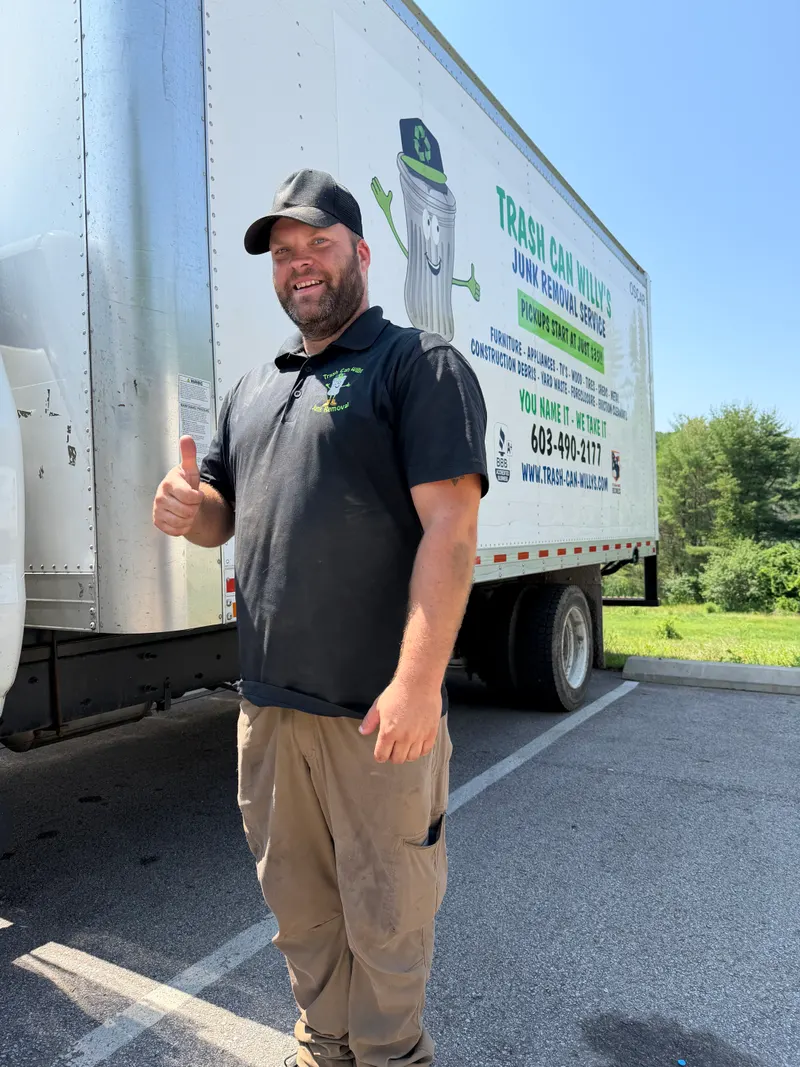
Ready to make a real impact on your community and the environment? Trash Can Willys is here to help. Our professional junk removal services in New Hampshire and Massachusetts don’t just clear clutter—they support a cleaner planet through responsible disposal, recycling, and eco-conscious practices. Whether you’re tackling a home project or organizing a neighborhood cleanup, Trash Can Willys makes it easy to do your part. Contact us today and join the movement toward a cleaner, greener future.

FAQs

Why do we need to collect trash?

We need to collect trash to prevent environmental damage, protect wildlife from ingestion and entanglement, and maintain public health by reducing disease vectors and contamination of soil and water sources.

Why is it important to have a garbage collector?

Professional garbage collectors are essential because they ensure waste is properly contained and transported to appropriate disposal facilities, preventing illegal dumping and environmental contamination while maintaining community cleanliness and public health standards.

How does waste affect our environment?

Waste affects our environment by contaminating soil with leaching chemicals, polluting waterways and oceans with debris that forms massive garbage patches, generating harmful methane emissions from landfills that contribute to climate change, and directly harming wildlife through ingestion, entanglement, and habitat destruction.


Related posts