

Appliance Removal
in NH & MA
Why us?
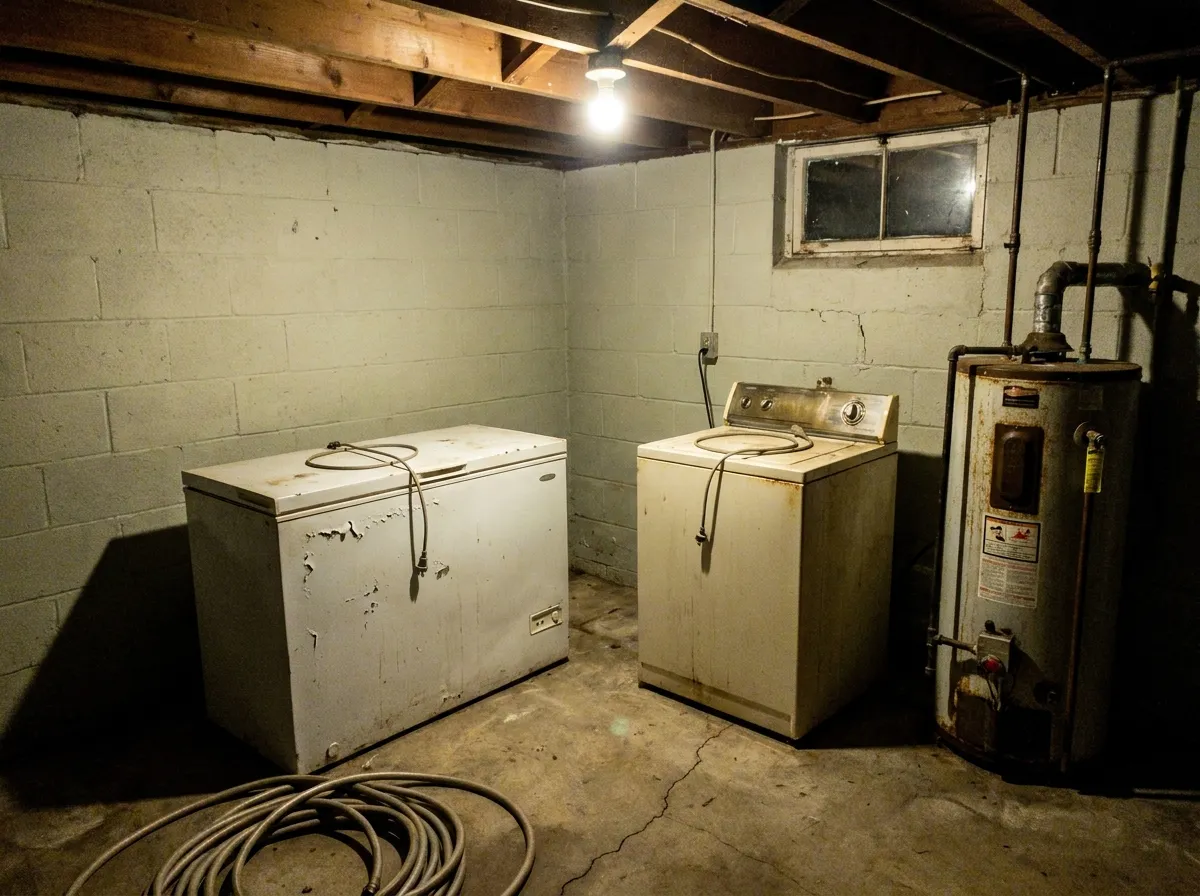
- Fridges, freezers, washers, dryers, stoves, dishwashers, water heaters
- Just disconnect the appliance, we remove it from where it sits
- Starting at $35, and up to 85% is recycled or donated
You Point, We Haul
Loading, lifting and sweep-up included
Two-Hour Windows
Courtesy call 20 minutes before we arrive
You Approve First
The exact price is confirmed before we start
Up to 85% Recycled
Donated or recycled, not landfilled
Why Us
Why Choose Trash Can Willy's for Appliance Removal
We remove and responsibly dispose of refrigerators and freezers, washing machines and dryers, ovens, stoves and microwaves, dishwashers, water heaters and furnaces, and air conditioners.
Unhook it, we handle the rest
We're haulers, not plumbers or electricians, so appliances simply need to be disconnected from water, gas and power before we arrive. That's your entire list. Heavy refrigerators, washers and awkward appliances are exactly what our dollies, straps and experienced crews are for.
Refrigerators, freezers and ACs, handled properly
Refrigerators, freezers and air conditioners contain refrigerant that must be handled properly and may carry an additional disposal fee. We include that in the price we give you upfront, so there are no surprise charges when we're standing in your driveway.
Add it to the load and save
Already cleaning out the garage, basement or house? Put the appliances on the same trip. Once our crew and truck are already there, additional items generally cost less than having us make another trip.
Larger trucks mean bigger savings
We use 20 foot box trucks, double the size of most competitors, to remove more in one trip and pass the savings on to you. Bigger loads per trip mean fewer trips to unload and a lower disposal cost per appliance.
Priced on the work, not the air in the truck
Most junk removal companies charge by how much truck space you use. Bricks or feathers, packed tight or full of air, you can pay the same simply because it takes up the same space. We price the actual job: weight, labor, difficulty and access. And our trucks are huge. Three of many competitors' trucks can fit inside one of ours, which means fewer trips to unload, less time spent dumping and lower costs we can pass on to our customers. Your price is approved before anything moves and doesn't change afterward. Plus, we beat any written quote.
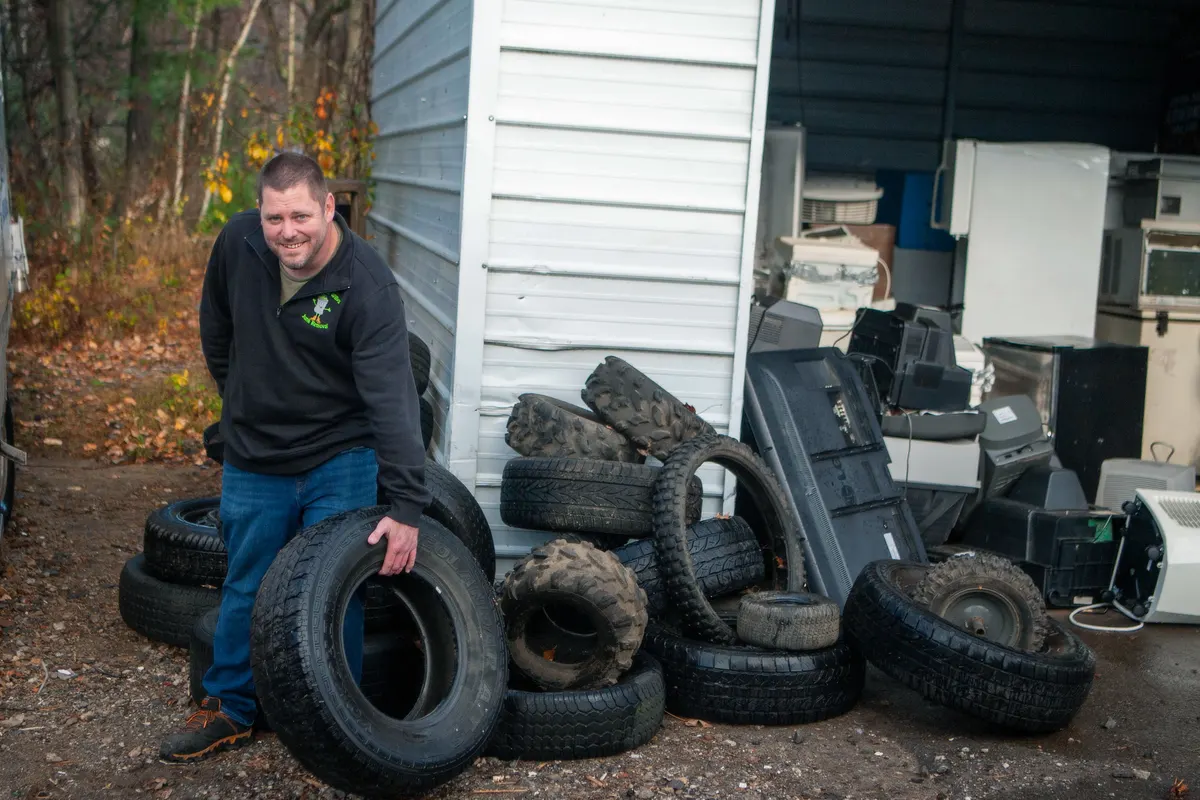
We recycle or donate up to 85% of what we haul
In 2025 alone we recycled more than a million pounds of scrap metal and passed thousands of usable items on, much of it to the Epilepsy Foundation, Goodwill, the Salvation Army and local soup kitchens. When a job turns up a meaningful amount of that, it comes off your price, so the sorting works in your favor twice.
A real crew, in uniform, fully insured
Two or three of us show up depending on the size of the job, with the largest trucks in New England behind them: three of a competitor's trucks fit inside one of our 20-foot boxes. Background-checked, uniformed, trained personnel who watch your corners, your carpets and your floors on the way out. US DOT 2420455, proof of insurance on request.
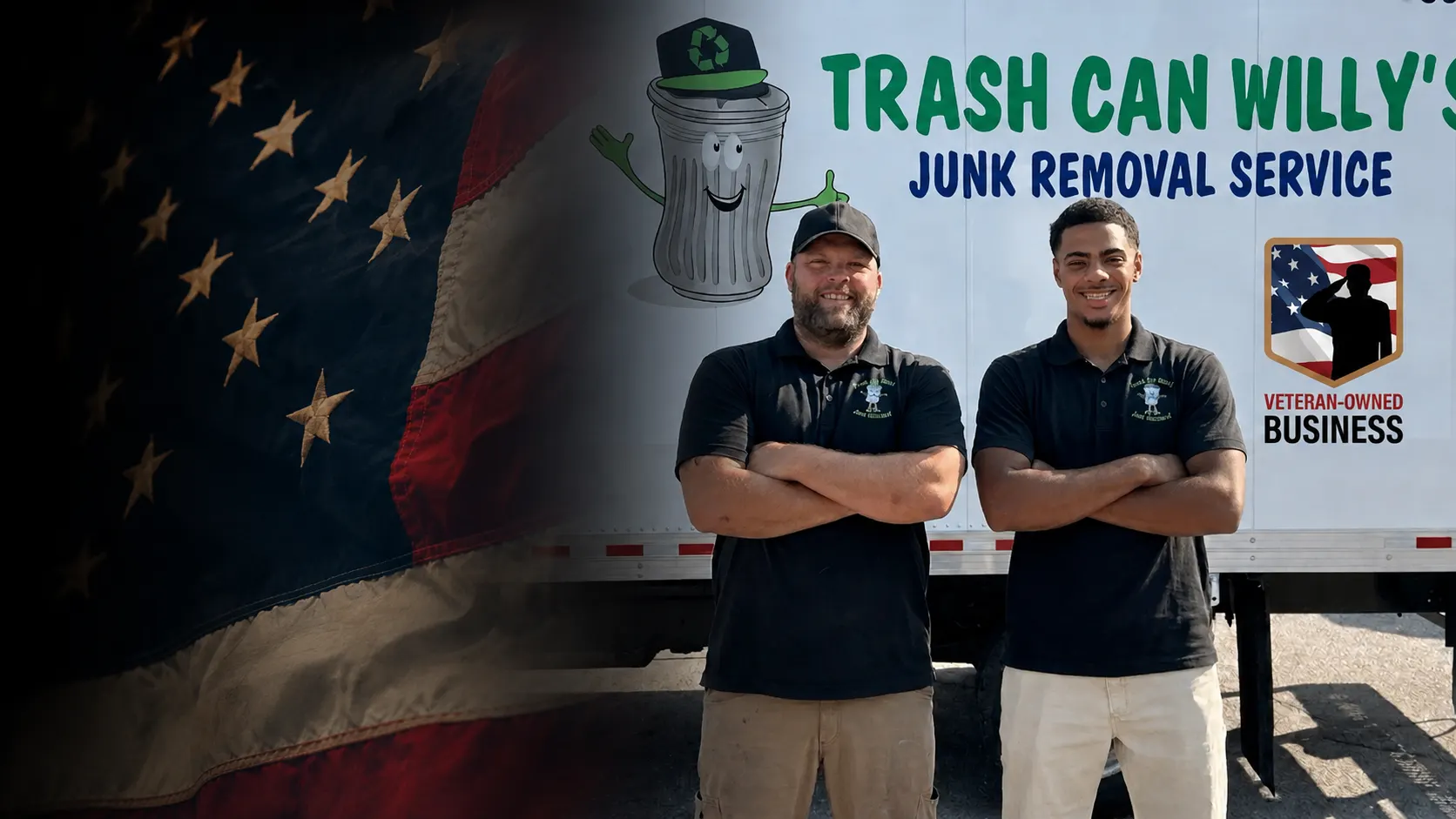
Local. Veteran-owned. No franchise fees.
Steve built Trash Can Willy's on the same principles he learned in the military: show up when we say we will, honor our quote, communicate clearly and leave your property better than we found it. We're local, not a franchise. No call centers, corporate runaround or franchise fees built into your price. We're BBB A+ Accredited, licensed and insured, and a portion of every job supports Wounded Warrior Family Support. Fair pricing. Great communication. No stress. Just a job done right.
Our Reviews
4.9★ across 1,568 reviews.
Real reviews from real jobs across Southern New Hampshire, Greater Boston and the Merrimack Valley.

G Quinn
Google review
★★★★★2 days ago
Very happy with the service we received from Kyle and David today! They were very hard-working, kind, and professional while cleaning out a lot of items. Highly recommend!

Devin Green
Google review
★★★★★5 days ago
I called and spoke to a very pleasant representative and scheduled a junk pickup within the week. They were communicative and very time efficient. I'll be scheduling another pickup once we get some more items together!

Erin Dinsmoor
Google review
★★★★★6 days ago
Amazing response time, service, and fair pricing! We absolutely recommend Trash Can Willys and will be using them again in the future!

Caroline Doherty
Google review
★★★★★1 week ago
Blake and Brandon were fantastic at helping clean out old furniture at my parent’s house. They were so kind, professional, and super helpful! We’ll definitely be back in the future!

Aimee Breton
Google review
★★★★★1 week ago
Very reasonable rates and they were able to schedule me quickly for service. David and his coworker Damarje were so helpful, courteous and respectful !! Will definitely use them again for future services! Highly recommend !!

Jenn Call
Google review
★★★★★1 week ago
Courteous, professional, Fast and efficient!! Can’t ask for better!! Thank you Blake and Paul!!!
Our Process
How appliance pickup works
Our appliance pickup, recycling and disposal process, from start to finish.
Step 1: Call or text and describe it
Call or text 603-490-2177 with what it is and roughly where it sits. We give you a guesstimate so you have a general idea of what to expect.
Step 2: We schedule a two hour window
We book a convenient two hour time frame for your pickup, and the crew calls about 20 minutes before arrival as a courtesy.
Step 3: The crew verifies your exact cost
On arrival the crew sees what needs to go and verifies your exact cost upfront, before any work starts. Once you approve it, that is the price.
Step 4: We remove it from where it sits
Have the unit disconnected from water, gas and power and that is your whole list. We dolly it out, protect your floors and doorframes, sweep up after ourselves, then take payment by cash, credit, debit or business check and email your receipt.
Step 5: Metal gets recycled, working units get donated
Working appliances are looked at for donation or resale first, and the rest is stripped for scrap metal rather than dumped. In 2024 alone we donated over 150,000 lbs of appliances.
Our Team
The crew pulling out your old appliance
Trained, uniformed, background-checked employees, licensed and insured, 17+ years in business.
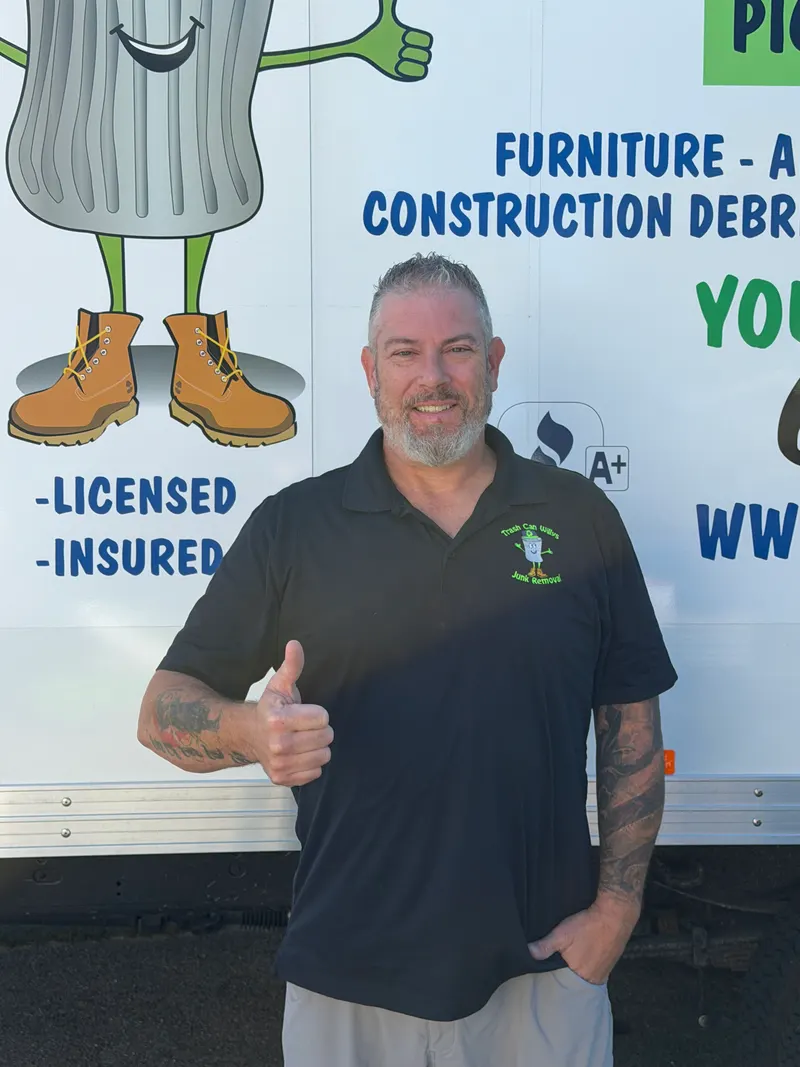
Steve Heimsath
Owner, U.S. veteran

Anthony Laperle
General manager

James Diaz
Assistant manager
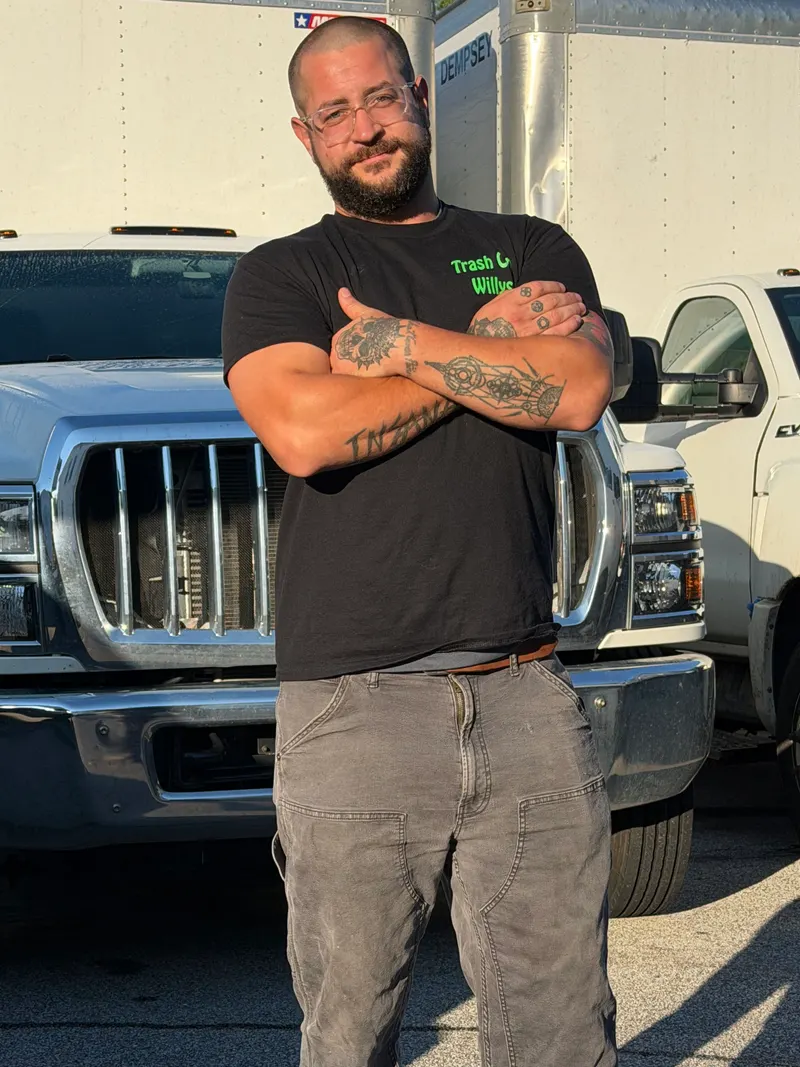
Nicholas King
Crew, U.S. veteran
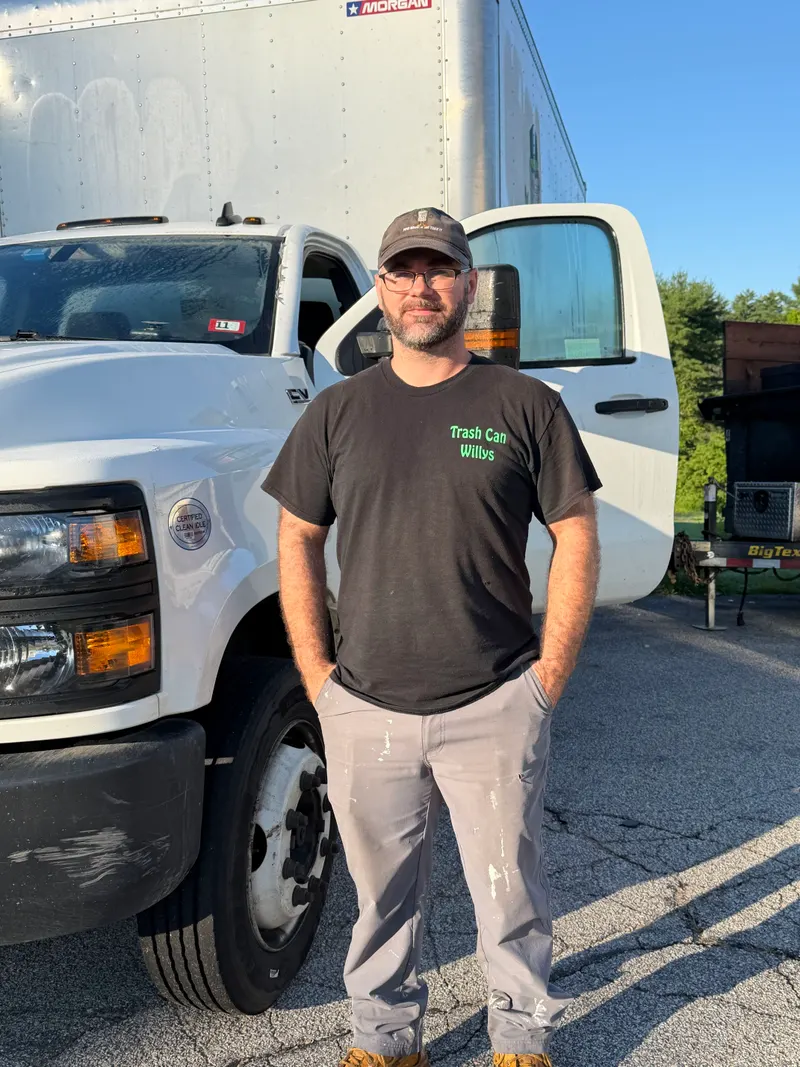
Austin Nephews
Crew, U.S. veteran
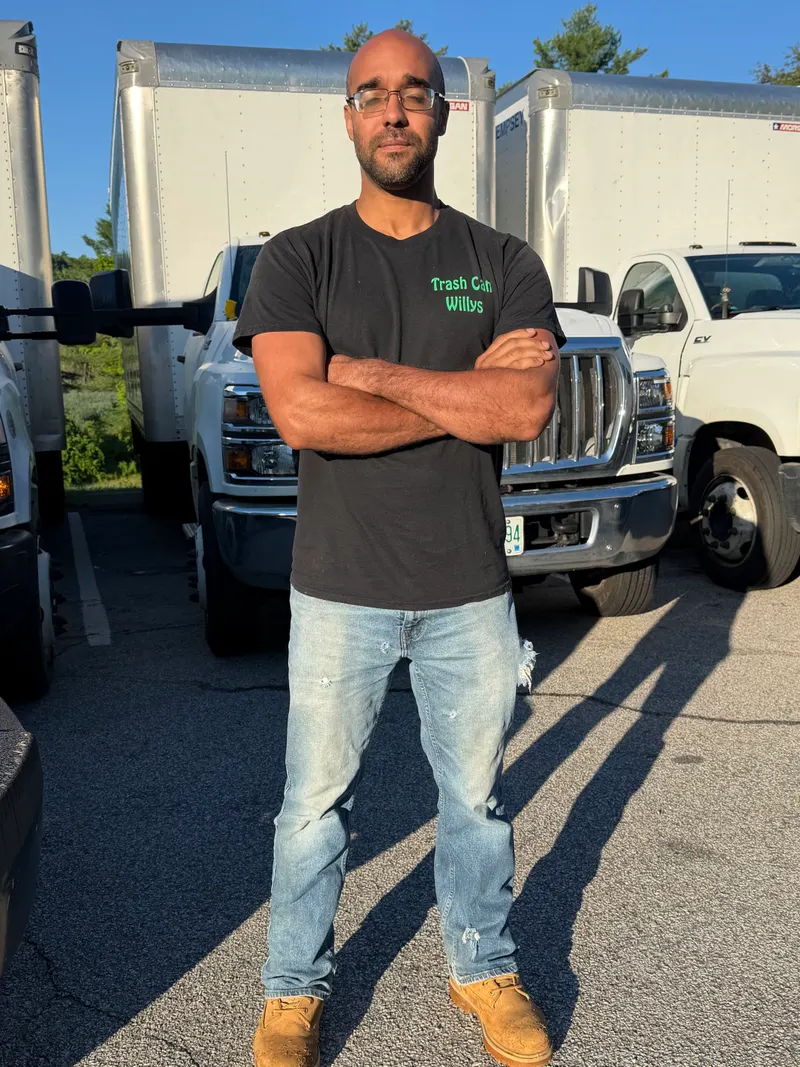
Kyle Mullins
Crew
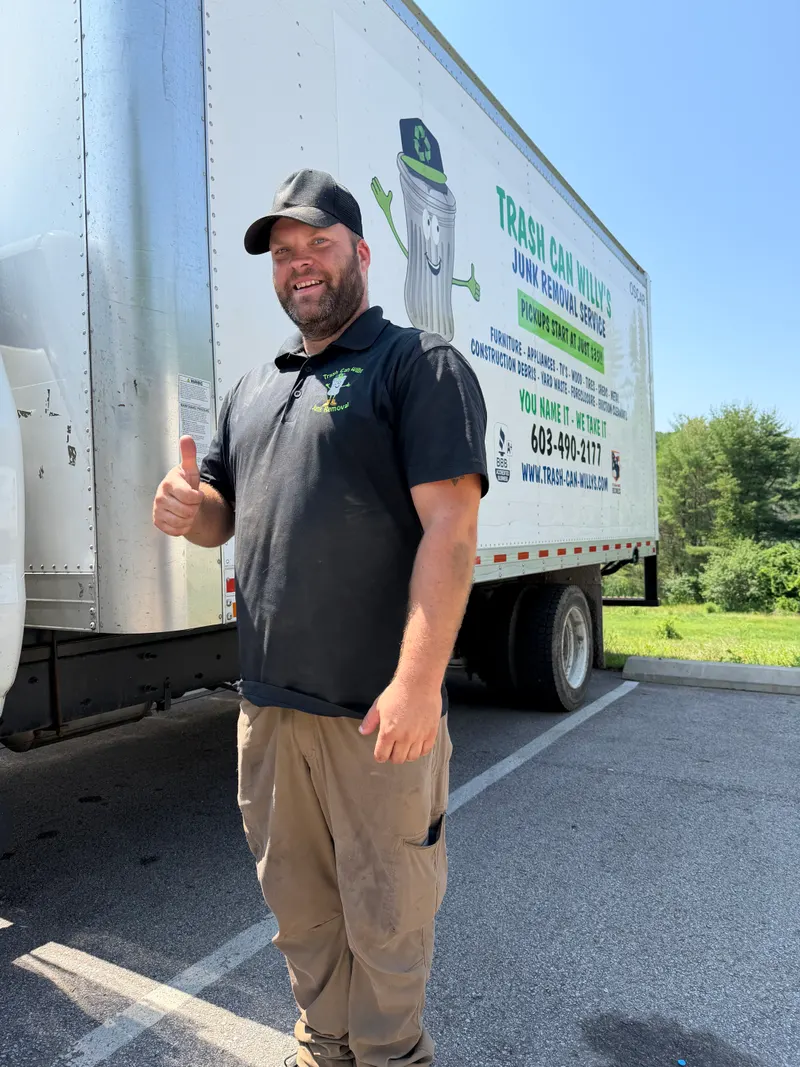
Matthew Frost
Crew
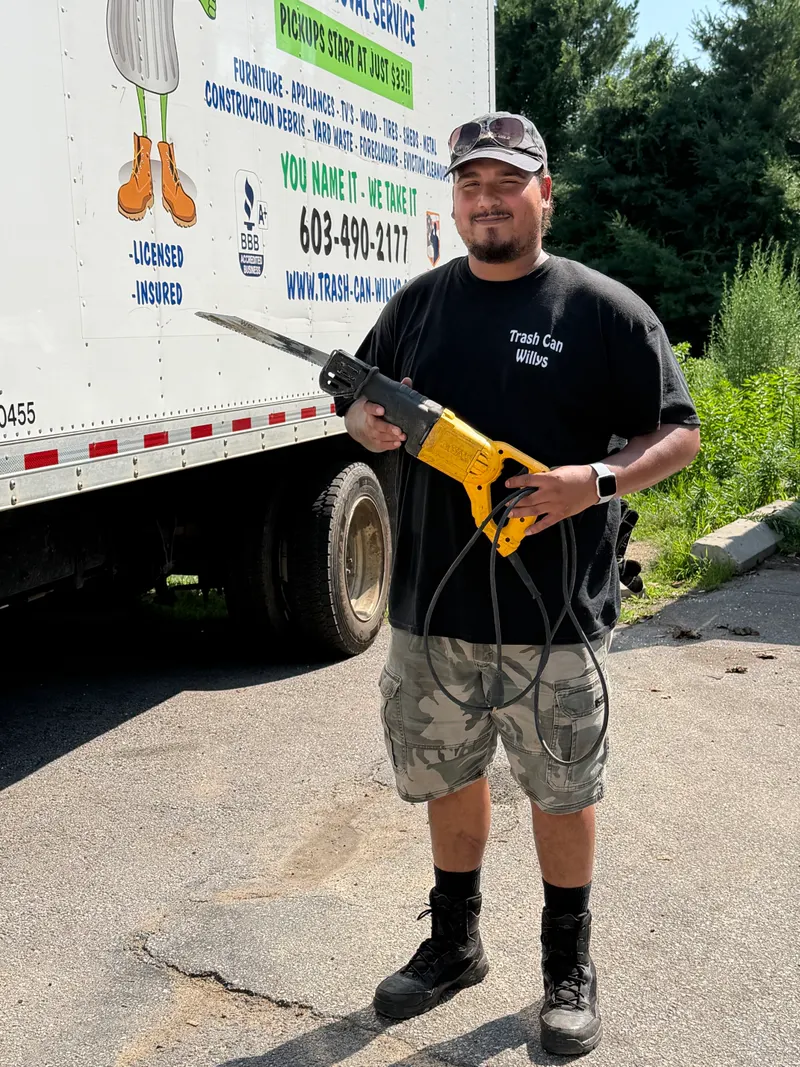
Marcos Rosas
Crew
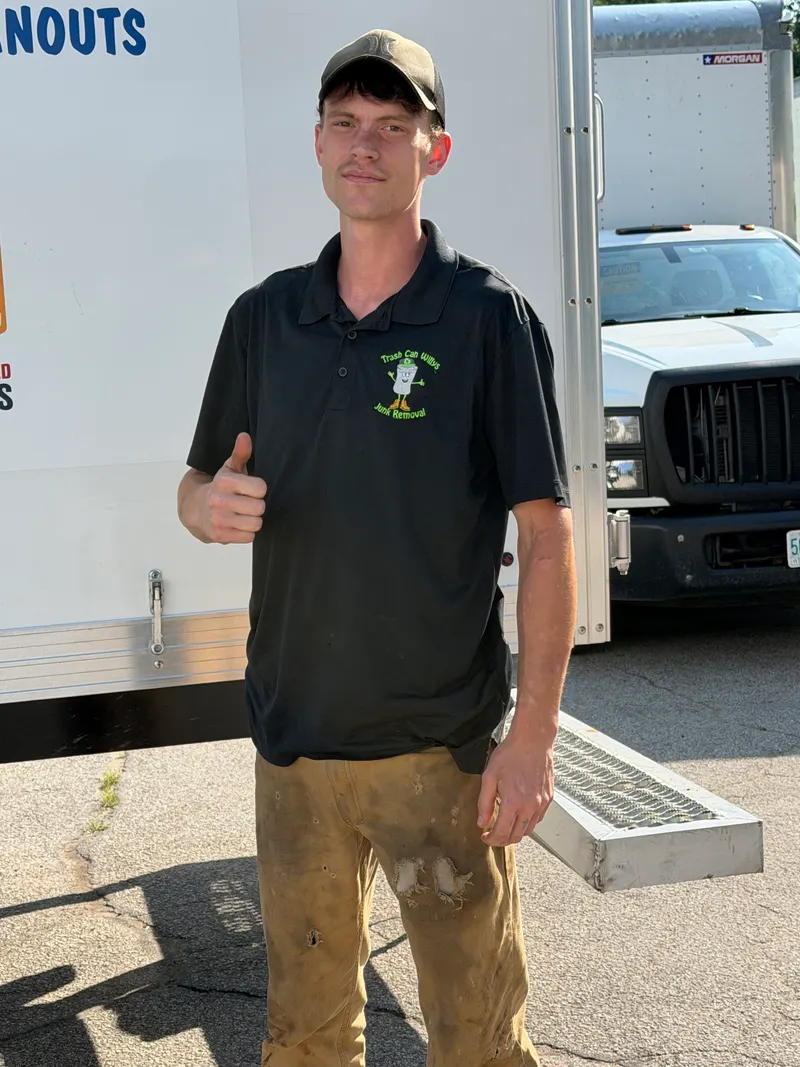
Brad Brooks
Crew
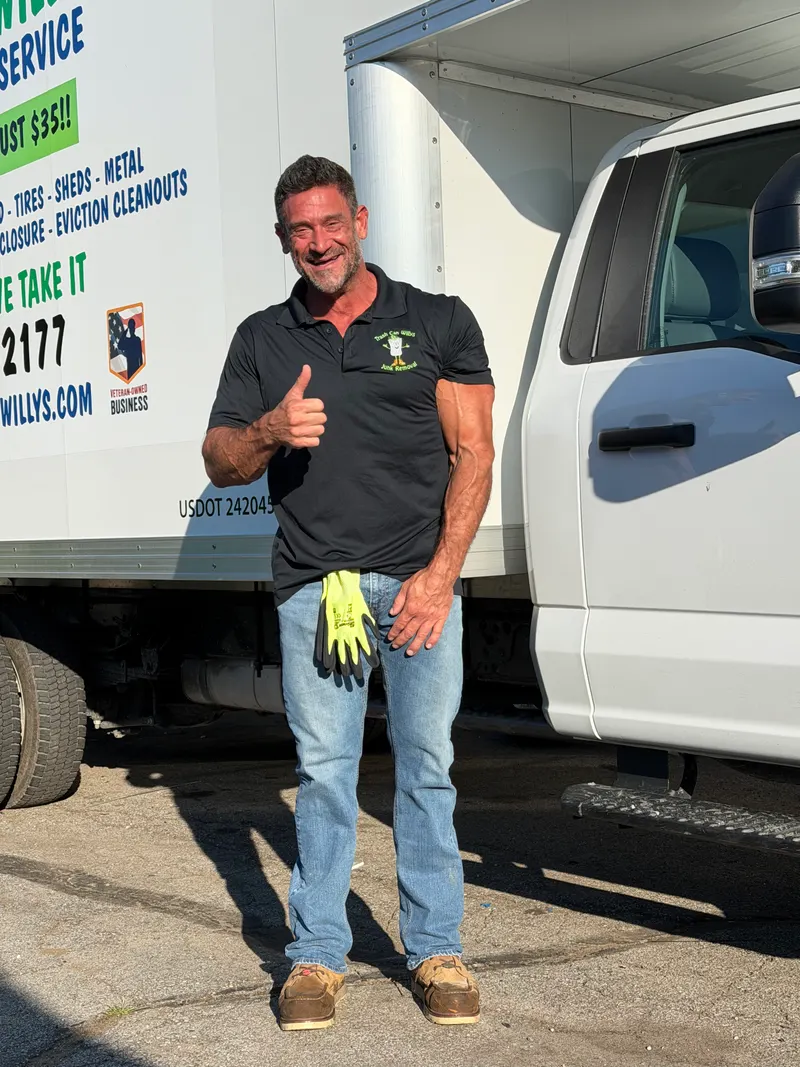
Seth Shackford
Crew
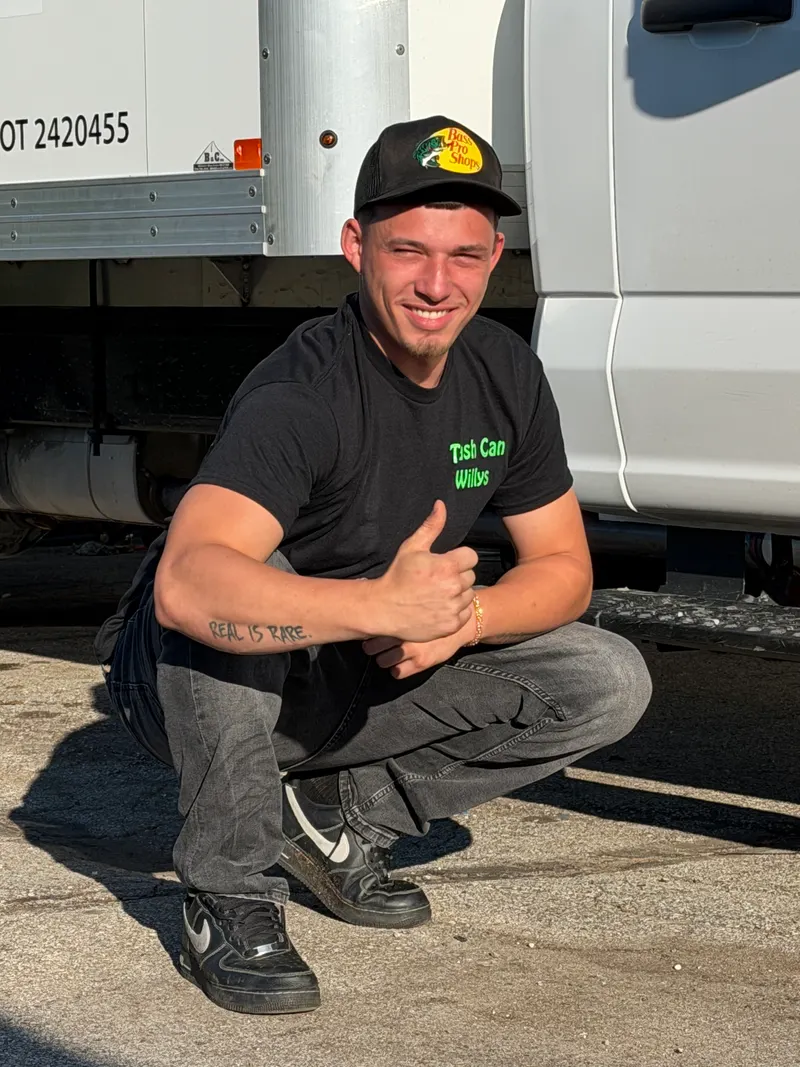
Xaiver Melendez
Crew
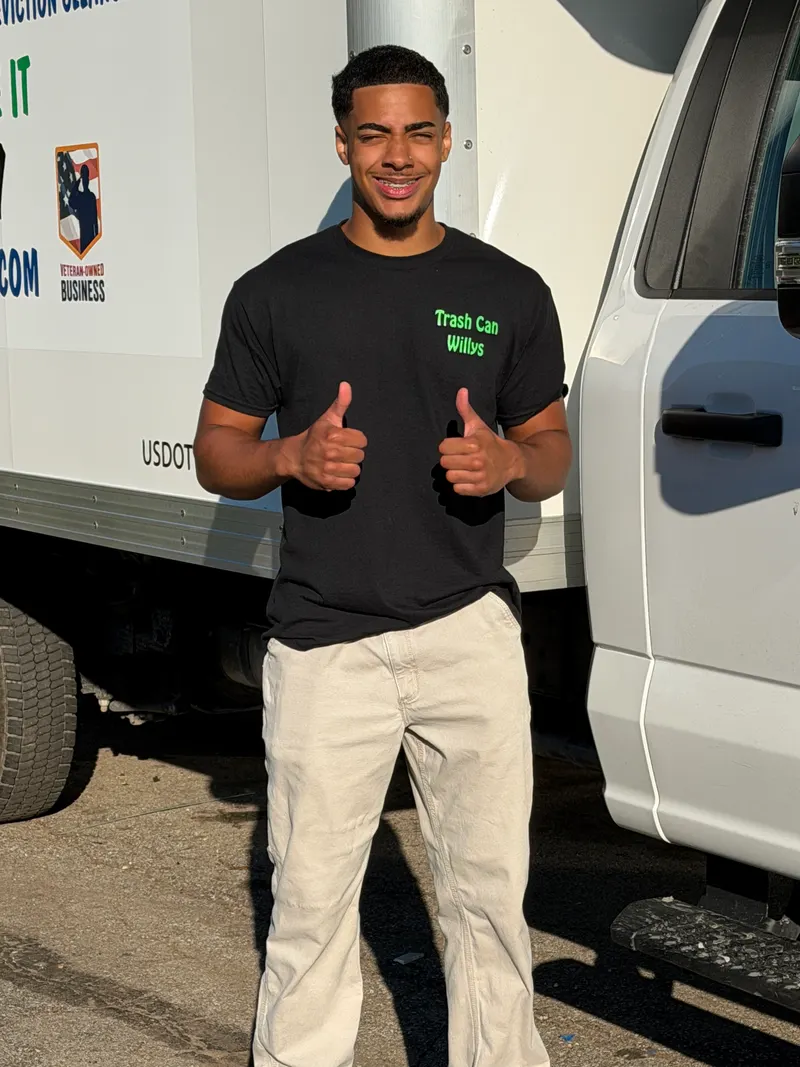
Rashid Conteh
Crew
Service Areas
Appliance removal across NH & MA
Proudly serving homeowners and businesses across Southern New Hampshire, Greater Boston and the Merrimack Valley from our home base in Hooksett, NH. Same trucks and crews across the whole map, and if you're on the edge of it, call anyway. If the truck can reach you, we can haul it.
Trucks run daily routes through Hillsborough, Merrimack, Rockingham and Strafford counties in New Hampshire, and Middlesex and Essex counties in Massachusetts.
Zip codes serviced
01701 · 01702 · 01752 · 01760 · 01801 · 01803 · 01810 · 01830 · 01832 · 01835 · 01840 · 01841 · 01843 · 01844 · 01845 · 01850 · 01851 · 01852 · 01854 · 01860 · 01867 · 01876 · 01879 · 01880 · 01887 · 01913 · 02108 · 02109 · 02110 · 02111 · 02113 · 02114 · 02115 · 02116 · 02128 · 02129 · 02134 · 02135 · 02138 · 02139 · 02140 · 02141 · 02142 · 02199 · 02215 · 02451 · 02452 · 02453 · 03031 · 03038 · 03051 · 03052 · 03053 · 03054 · 03055 · 03060 · 03062 · 03063 · 03064 · 03076 · 03079 · 03087 · 03101 · 03102 · 03103 · 03104 · 03106 · 03109 · 03110 · 03246 · 03301 · 03303 · 03801 · 03820 · 03839 · 03867 · 03868
Towns we serve

New Hampshire

Massachusetts
Don't see your town or zip? Call 603-490-2177.
Free Instant Quote
Get a free instant quote for appliance removal
Same-day pickups available across NH & MA.
Upfront Pricing
You approve the price first.
Veteran Owned
17+ years, trained personnel.
Free Quote
No obligation, no pressure.
Rather just talk? Call or text 603-490-2177.

Sending your request
FAQ
Appliance removal questions, straight answers
How much is appliance removal?
Single appliances start at $35, and the number depends on the size, the weight and how far we have to carry it. Refrigerators, freezers and air conditioners carry a Freon recovery fee of $25 each, and that is in the price before we come out.
Do I have to disconnect the washer or fridge myself?
Yes. Have the water, gas or power disconnected before pickup day, either yourself or through your plumber or electrician. We are haulers, not licensed tradespeople, so we do not pull hookups. Once the unit is loose, we carry it out from where it sits.
Will you pay me for items of value?
When an item carries value that we could sell fairly easily in our second hand store, we determine its fair market value the way a consignment store would and give you 10 to 40% of that off the cost of your removal, upfront. For example: we quote a junk removal at $120, and part of the load is a couch we think we can resell for $100. We take $40 off, so you pay $80.
What size truck do you use?
Ours are bigger. Most competitors use trucks 10 feet long, 5 feet high and 6 feet wide. Ours are 20 feet long, 7.5 feet wide and 8 feet tall. Competitors typically charge the same as we do for a full truckload, which is an obvious saving when you use us.
What does your pricing include?
Labor, loading, transportation and waste disposal fees, with no additional charges on top of them. You also get the savings from anything in the load we can donate, recycle or resell.
When I called I was asked how many pickup trucks I would fill up. Why?
Only to gauge how much you have, so the guesstimate lands closer. It is not how we price. We use a 20 foot box truck and a minimum of two crew members on every pickup, and a phone guesstimate is not a binding estimate: the crew confirms the exact price upfront when they arrive and look at the items.
Do you recycle everything?
We repurpose or recycle your unwanted items more aggressively than any other company in the area. There are instances where salvaging everything is not feasible because of route constraints. In those cases we put your pickup first rather than cancelling it to recycle a larger item.
How soon can you come out?
We can typically offer same-day or next-day service, either a scheduled pickup for a small to medium job or an in-person estimate for a larger one.
Do I have to move anything to the curb first?
No. You point, we take it. Two or three of us come depending on the size of the job and we do all of the work: out of the basement, down the attic stairs, around the landing, into the truck. You do not lift anything and you do not drag anything outside. We sweep the space broom clean before we leave.
How do you quote a job?
Call or text 603-490-2177 with a description or a few photos and we give you a price range on the spot. That phone quote is our best guess, not a binding number. When the crew arrives they look at the job and confirm the exact price before any work starts. Once you approve it, it does not change. For big jobs and full cleanouts we come out for a free on-site estimate, Monday to Friday 9 to 5.
Do you beat other quotes?
Yes. Bring us any written estimate from another company and we beat it by up to 10%. And every week we draw one customer's completed job and refund it in full, so keep your receipt.
Do I need to be home?
Not if we can get to the stuff. Plenty of jobs are booked by phone, hauled while you're at work, and closed out with photos and a card payment. If access is tight or you want to point at things yourself, be there and we'll walk it with you.
When will you actually show up?
You get a two-hour arrival window and a courtesy call about 20 minutes out, so you're not sitting around all day. Most single-item pickups are done inside an hour of the truck arriving.
What won't you take?
Hazardous waste is the short list: paint and stain of any kind, thinners, solvents, chemicals, poison and fertilizer, gasoline and other flammable liquids loose in cans or drums, propane tanks, acids, antifreeze, motor oil, fluorescent bulbs, asbestos and medical waste. We never take home heating oil tanks either. A mower, generator or snow blower with fuel or oil still in it is fine: we drain it as part of the job. Everything else, if two people can lift it and it fits in the truck, we take it.
How do I pay, and how does the $40 off work?
Credit, debit, cash, or estate, certified and business checks. No personal checks. You get an emailed receipt before the truck leaves. Mention the coupon when you book any job and we take $40 off the quoted price, one per job.