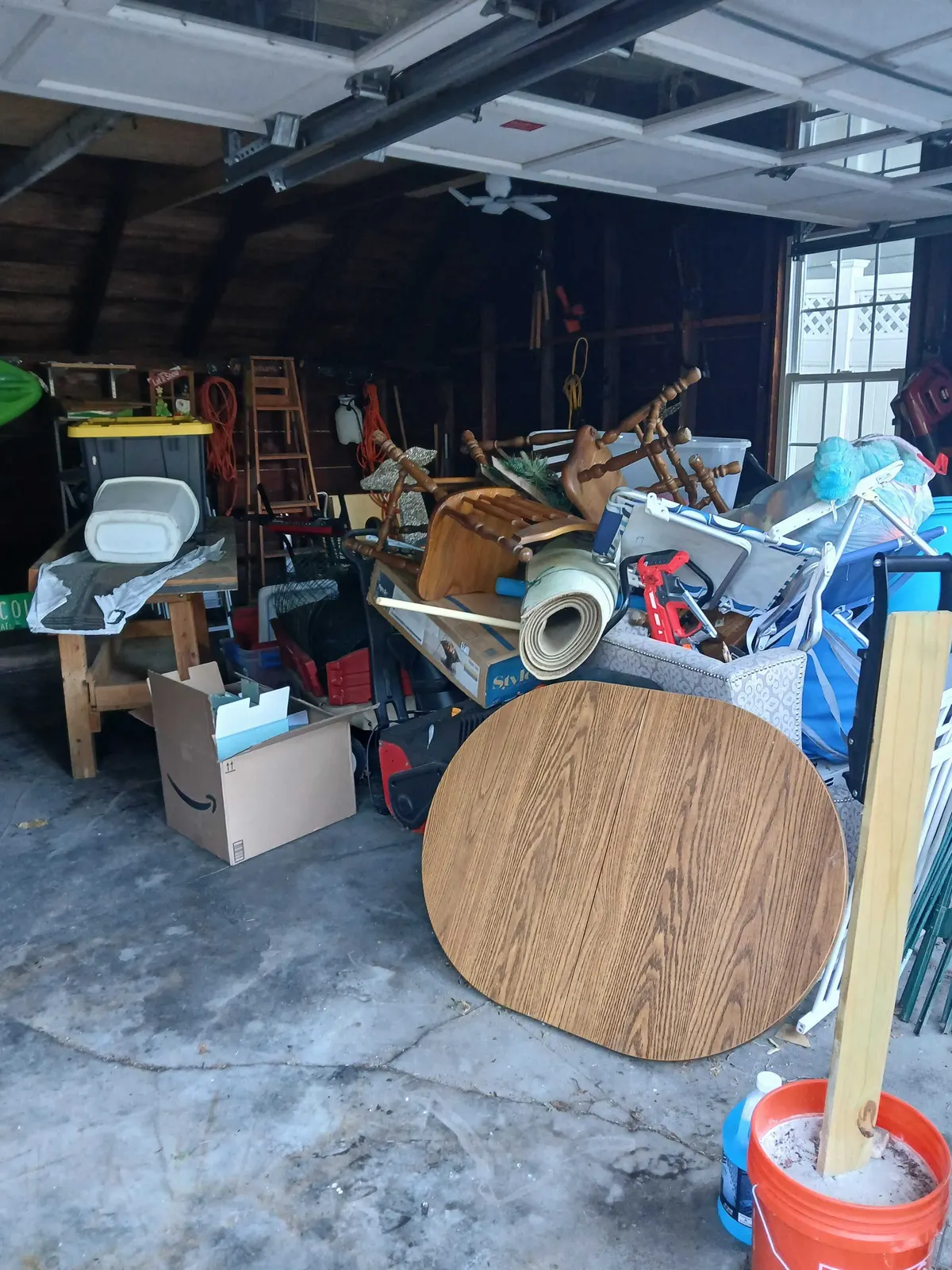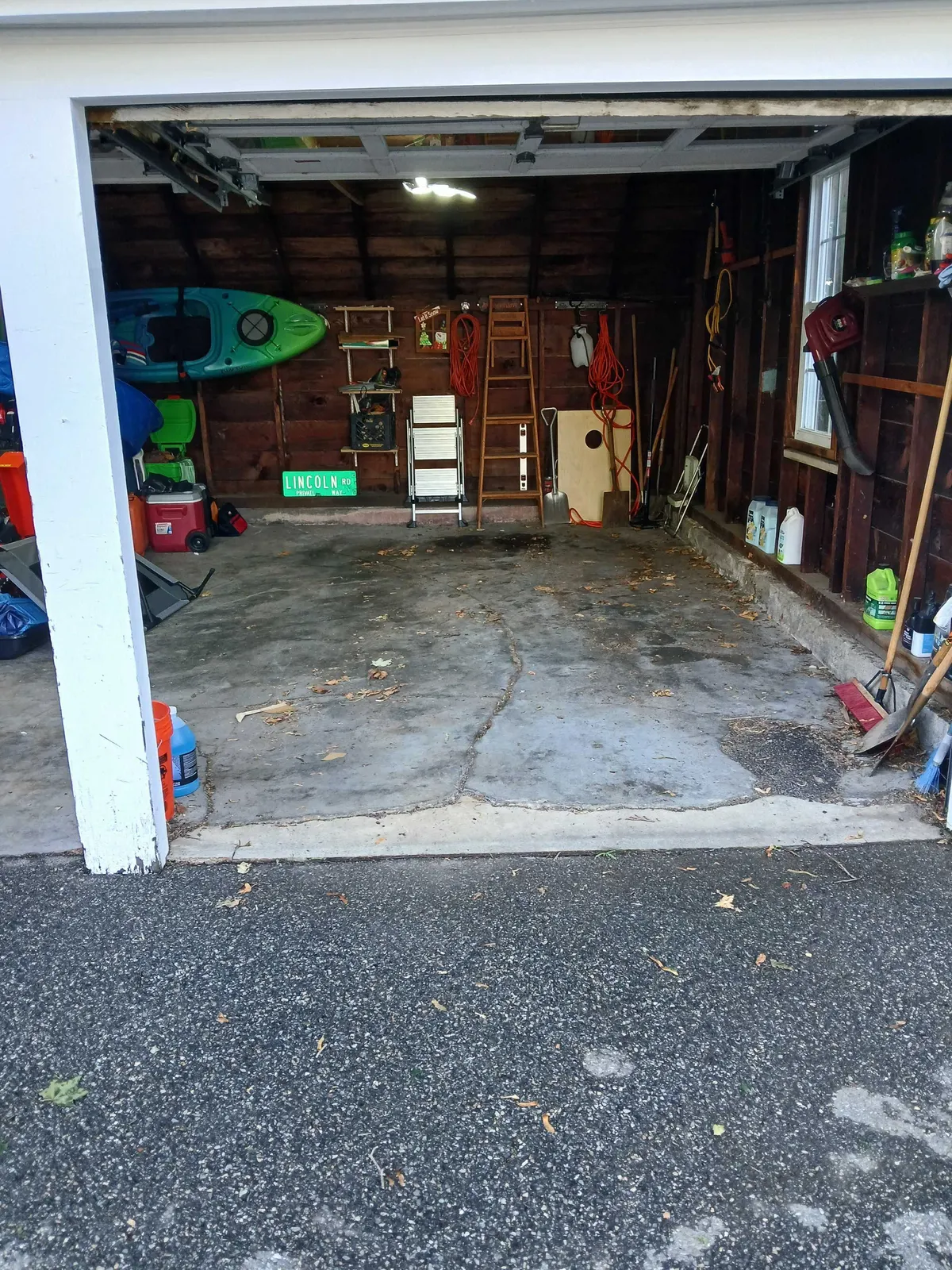


Garage Cleanout Massachusetts: Complete Guide to Reclaiming Your Space
Key Takeaways
- Massachusetts garage cleanouts typically cost $300-$800 depending on size and junk volume
- Spring and fall are ideal seasons for garage cleanouts due to Massachusetts weather patterns
- Many Massachusetts towns offer hazardous waste collection days for paint, chemicals, and automotive fluids
- Professional services in Massachusetts can complete most garage cleanouts within 2-4 hours
- Proper planning and local disposal knowledge can save Massachusetts homeowners 30-50% on cleanout costs
Massachusetts winters transform garages from functional spaces into cluttered storage units filled with snow equipment, seasonal decorations, and all that stuff you promise to organize “someday.” If you can barely squeeze your car into your garage space, or worse, you’ve given up trying altogether, it’s time for a comprehensive garage cleanout.
A clean garage isn’t just about aesthetics—it’s about reclaiming valuable storage space, protecting your vehicle from harsh New England weather, and maintaining your property value. The average Massachusetts garage contains enough accumulated items to fill multiple storage units, yet most homeowners feel overwhelmed by the prospect of tackling this garage cleaning project.
This complete guide will walk you through everything you need to know about garage cleanouts in Massachusetts, from understanding local disposal regulations to choosing between DIY efforts and professional garage cleanout services. Whether you’re dealing with a one car garage packed to the ceiling or a sprawling two-car space that’s become a dumping ground, we’ll help you transform your cluttered garage into an organized, functional space.
Why Massachusetts Homeowners Need Regular Garage Cleanouts
Massachusetts homeowners face unique challenges that make garage cleanouts essential for maintaining a functional living space. The state’s harsh New England winters force families to relocate countless items into garage storage space for 4-5 months annually, creating a perfect storm for accumulation.
During winter months, your garage becomes the temporary home for lawn mowers, gardening tools, camping gear, and sports equipment that can’t survive freezing temperatures. Pool chemicals, paint cans, and small appliances get shuffled into corners, while cardboard boxes of holiday decorations take up precious floor space. This seasonal migration of items often results in a messy garage that never quite returns to its original organization.
Financial Impact
Property values in Massachusetts increase significantly when garages maintain their intended functionality. Real estate experts consistently note that buyers prefer homes where they can actually park vehicles in the garage—especially given the state’s heavy snowfall and road salt that can damage cars left outside. A newly cleaned garage that allows for winter car storage can add thousands of dollars to your home’s market value.
State building codes require proper ventilation when garages store hazardous materials like old paint, motor oil, or garden chemicals. Massachusetts regulations mandate that these substances be stored safely, which becomes nearly impossible in a garage cluttered with broken tools, rusty garden tools, and leftover building materials scattered across the garage floor.
Many Massachusetts communities have HOA regulations requiring organized, presentable garages. These rules aren’t just about appearances—they address safety concerns, pest control, and neighborhood property values. Garages filled with garage junk and unwanted items can violate these standards and result in fines or mandatory cleanout requirements.
The functionality of your garage directly impacts your daily life during Massachusetts winters. When snow removal equipment is buried under sports gear and seasonal items, those early morning snow emergencies become even more stressful. A well-organized garage ensures you can quickly access what you need when weather strikes.
Best Times for Garage Cleanouts in Massachusetts
Timing your garage cleanout properly can make the difference between a smooth, efficient process and a frustrating ordeal fighting against Massachusetts weather conditions. The state’s distinct seasonal patterns create natural windows of opportunity for tackle garage cleaning projects.
Late spring, particularly May through June, offers the ideal window for garage cleanouts. This timing allows you to properly store winter equipment like snow blowers and ice melt containers after their usefulness ends, while outdoor temperatures remain comfortable for extended work periods. Most Massachusetts towns schedule their spring hazardous waste collection days during this period, making it convenient to dispose of empty paint cans and expired chemicals.
Early fall, specifically September through October, provides the second-best opportunity for garage cleaning. This timing allows you to reorganize before winter preparation begins in earnest, ensuring proper storage space for the coming season’s equipment. The moderate temperatures make heavy lifting manageable, and you can assess what winter gear needs replacement before the first snowfall.
Avoid scheduling garage cleanouts between January and March when frozen ground makes disposal challenging and outdoor work becomes unpleasant. Many local transfer stations and disposal facilities have limited winter hours, and dumpster delivery can be complicated by snow removal operations and frozen driveways.
Weekend projects work best when temperatures consistently stay above 40°F for extended periods. Massachusetts weather can be unpredictable, so check forecasts carefully before committing to a garage cleanout date. Rain or snow during your planned cleanout can turn an organized project into a muddy disaster, especially when dealing with floor clutter and items stored directly on garage floors.
Coordinate your timing with Massachusetts town hazardous waste collection days, typically held in April and October. These events provide free disposal for paint, automotive fluids, and other hazardous materials that require special handling. Missing these collection days can add significant cost to your cleanout project and complicate proper disposal.
Consider your family’s schedule when planning cleanout timing. Many successful garage cleaning projects involve getting the entire family involved, making weekends or school holiday periods optimal for comprehensive cleanouts.
Common Items in Massachusetts Garages to Remove
Winter Equipment and Seasonal Items
Massachusetts garages accumulate specific types of items that reflect the state’s challenging climate and seasonal lifestyle changes. Understanding what typically needs removal helps streamline your garage cleanout process and ensures you’re making the right decisions about what stays and what goes.
Broken snow blowers rank among the most common large items requiring removal from Massachusetts garages. These heavy machines often fail after years of battling nor’easters, yet homeowners hesitate to dispose of them hoping for eventual repair. If your snow blower hasn’t run in two seasons or requires repairs costing more than half its replacement value, it’s time for removal.
Damaged snow shovels, worn ice scrapers, and bent snow rakes accumulate in corners throughout winter months. These tools often suffer handle breaks, blade damage, or metal fatigue from repeated freeze-thaw cycles. Rather than storing broken tools year after year, include them in your disposal pile during spring cleanouts.
Old ski equipment, ice skates with dulled blades, and outdated winter sports gear occupy significant storage space while serving no practical purpose. Children’s outgrown equipment and adult gear with broken bindings or unsafe components should be removed to make room for functional items.
Christmas decorations stored for over five years without use represent another common category for removal. Boxes of lights that no longer work, artificial trees with missing branches, and ornaments that haven’t seen display create unnecessary garage clutter. Apply a practical rule: if decorations haven’t been used in three holiday seasons, they’re candidates for donation or disposal.
Beach equipment damaged by Massachusetts coastal salt air exposure often accumulates in garages near coastal communities. Rusty beach chairs, damaged umbrellas, and broken boogie boards should be disposed of rather than stored indefinitely.
Automotive and Maintenance Supplies
Old antifreeze, motor oil, and windshield washer fluid past expiration dates create both storage problems and environmental hazards. These automotive fluids can leak, contaminate other stored items, and pose disposal challenges if not handled properly during garage cleanouts.
Tire chains for vehicles no longer owned represent a surprisingly common find during Massachusetts garage cleanouts. These items often survive multiple car purchases, despite being specific to tire sizes and vehicle types that may no longer match your current vehicles.
Rusted car parts and worn-out floor mats suffer particular damage from Massachusetts road salt exposure. Winter floor mats that have degraded beyond usefulness, corroded spare parts, and damaged automotive accessories should be included in disposal plans.
Empty propane tanks from outdoor grilling seasons accumulate throughout garages, taking up valuable vertical space and floor space. While tanks can be refilled or exchanged, old or damaged tanks require proper disposal through certified facilities.
Lawn and Garden Equipment
Broken lawn mowers that can’t handle Massachusetts’s varied terrain often end up as garage storage burdens. Equipment that requires expensive repairs, has safety issues, or hasn’t functioned properly in multiple seasons should be targeted for removal during cleanouts.
Fertilizers and pesticides over three years old lose effectiveness significantly and may present safety concerns. These products often accumulate as homeowners try new brands or purchase seasonal supplies that exceed their actual usage needs.
Cracked flower pots damaged by freeze-thaw cycles create storage problems without providing functional value. Massachusetts winters are particularly hard on ceramic and clay containers, making annual assessment and removal of damaged pots necessary.
Garden hoses with splits from winter freezing represent another category common in Massachusetts garage cleanouts. Despite best intentions to drain hoses properly, splits and cracks from freezing often make them unsuitable for continued use.
Massachusetts Disposal Options and Regulations
Hazardous Waste Disposal
Massachusetts has specific regulations governing the disposal of hazardous materials commonly found during garage cleanouts. Understanding these requirements ensures compliance with state environmental laws while protecting your family and community from potential contamination.
Schedule disposal during town-sponsored hazardous waste collection days, typically held twice yearly in most Massachusetts communities. These events provide free disposal for residents and accept paint, automotive fluids, pesticides, and cleaning chemicals that cannot go in regular trash. Collection days usually occur in spring and fall, aligning perfectly with optimal garage cleanout timing.
Many Massachusetts communities partner with regional facilities for paint and chemical disposal outside of collection days. These partnerships often include year-round drop-off locations at transfer stations or designated municipal buildings. Contact your local Department of Public Works for specific locations and accepted materials lists.
Automotive fluids can be taken to AutoZone, Advance Auto Parts, or municipal recycling centers throughout Massachusetts. Most auto parts stores accept used motor oil, antifreeze, and transmission fluid free of charge. This makes disposal convenient when combined with trips to purchase new automotive supplies.
Propane tanks are accepted at Home Depot, Lowe’s, and many local hardware stores throughout Massachusetts. These retailers typically offer exchange programs or safe disposal services for damaged tanks. Never attempt to dispose of propane tanks in regular trash or recycling bins.
Paint disposal requires special attention in Massachusetts due to environmental regulations. Latex paint can often be dried out using cat litter or paint hardener before regular disposal, while oil-based paints require hazardous waste collection. Check with local authorities about residual dried paint disposal requirements in your area.
Large Item Disposal
Schedule bulk pickup through local DPW departments for large items like furniture, appliances, and exercise equipment. Costs typically range from $25-$75 per item in Massachusetts communities, making this option cost-effective for limited quantities of bulky unwanted items.
Appliances require Freon removal certification in Massachusetts before disposal. Refrigerators, air conditioners, and dehumidifiers must be processed by certified technicians to remove refrigerants safely. Many waste management companies offer this service as part of appliance pickup.
Electronics must go to certified e-waste recyclers throughout Massachusetts. Many Best Buy and Staples locations accept computers, televisions, and small electronics free of charge. Some items may incur fees, but this ensures proper recycling and compliance with state electronics disposal regulations.
Scrap metal can be sold to local yards like Schnitzer Steel or Cohen Recycling, turning disposal costs into potential income. Items like exercise equipment, lawn mowers, and metal storage units often have sufficient scrap value to offset disposal costs.
Construction debris from home improvement projects requires special handling in Massachusetts. Many transfer stations accept clean wood, drywall, and other building materials for fees based on volume or weight. Contaminated materials may require specialized disposal facilities.
Professional Garage Cleanout Services in Massachusetts
Professional garage cleanout services offer comprehensive solutions for homeowners who prefer efficient, compliant disposal without the physical demands of DIY projects. Understanding what these services provide and their costs helps you make informed decisions about your garage cleaning project.
Typical costs range from $300-$800 for standard two-car garages in Massachusetts, with pricing based primarily on junk volume rather than garage size. Single-car garage cleanouts typically fall between $200-$500, while oversized or heavily cluttered spaces may exceed $1,000. These prices include labor, sorting, transportation, and proper disposal according to state regulations.
Boston area services may charge 15-25% more due to higher disposal and labor costs compared to rural Massachusetts communities. Urban locations also face additional challenges like parking restrictions, limited access, and higher transfer station fees that impact overall service pricing.
Services typically include sorting items into keep, donate, and disposal categories, saving homeowners the time-consuming decision-making process. Professional teams efficiently identify hazardous materials requiring special handling and separate recyclable materials from general trash.
Most companies offer same-day or next-day service during peak spring and fall seasons, though advance scheduling is recommended during these busy periods. Professional garage cleanout service providers understand Massachusetts disposal regulations and maintain relationships with local facilities for efficient processing.
Trash Can Willy’s For Garage Cleanouts MA
Licensed services handle hazardous materials disposal and provide documentation for compliance with Massachusetts environmental regulations. This documentation can be important for real estate transactions or insurance claims related to environmental remediation.
Professional services typically complete most garage cleanouts within 2-4 hours, significantly faster than DIY efforts that often stretch across entire weekends. The efficiency comes from experience, proper equipment, and established disposal relationships that streamline the process.
Heavy lifting is handled by trained teams using proper equipment and techniques, reducing injury risk for homeowners. This is particularly valuable when dealing with items like appliances, exercise equipment, or accumulated automotive parts that require careful handling.
The junk removal team will typically provide a no obligation estimate before beginning work, allowing homeowners to understand costs and scope before committing to service. Reputable companies offer transparent pricing without hidden fees for standard garage cleanout projects.
DIY Garage Cleanout Strategy for Massachusetts Residents
Planning Phase
Choose a weekend with temperatures above 45°F and no precipitation forecast when planning your garage cleanout project. Massachusetts weather can change rapidly, so monitor forecasts closely and have backup dates available if conditions deteriorate.
Reserve a 10-15 yard dumpster if handling large volumes of material, with costs typically ranging $300-$500 in Massachusetts depending on location and rental duration. Dumpster permits may be required if placement occurs on public streets, so check with your local DPW department for requirements and fees.
Check your municipal website for upcoming hazardous waste collection dates before beginning your cleanout. Timing your project to coincide with these events can save significant disposal costs and ensure proper handling of paint, chemicals, and automotive fluids.
Gather family members and assign specific zones to each person to maximize efficiency and ensure comprehensive coverage. Having the family involved makes large projects manageable while teaching valuable organizational skills and responsibility for maintaining the newly cleaned garage.
Create a detailed plan that includes break times, meal arrangements, and contingency plans for unexpected discoveries like structural damage or larger quantities of items than anticipated. Successful garage cleaning projects require realistic time estimates and flexible scheduling.
Purchase supplies including heavy-duty trash bags, permanent markers for labeling, work gloves, and basic cleaning supplies for addressing the garage floor after item removal. Having proper supplies prevents project delays and ensures safety during the cleanout process.
Execution Phase
Create three distinct areas for sorting: keep, donate, and disposal. Designate specific locations for each category to maintain organization throughout the cleanout process and prevent re-mixing of sorted items.
Start with obvious junk like broken items and expired chemicals to build momentum and create immediate visible progress. This approach helps maintain motivation during the labor-intensive sorting process and quickly clears floor space for additional work.
Apply the “18-month rule” as a general guideline: discard items unused since the previous winter season unless they have clear sentimental or significant monetary value. This rule helps overcome emotional attachment to items that realistically won’t be used again.
Take photos of valuable items for online sales before moving them to the donation pile. Many items found during garage cleanouts have resale value that can offset disposal costs or contribute to funding organizational supplies for the clean garage.
Address the garage floor systematically as areas clear, sweeping debris and checking for stains or damage that may require attention. Clean garage floors make organization easier and help identify any structural issues that need addressing.
Sort seasonal items carefully, keeping current winter and summer equipment while disposing of duplicate, broken, or obsolete items. Proper seasonal sorting ensures your organized garage will function effectively through Massachusetts weather changes.
Organizing Your Massachusetts Garage After Cleanout
Climate Considerations
Install moisture barriers and ventilation to combat New England humidity that can damage stored items and create musty odors in enclosed garage spaces. Massachusetts summers bring high humidity that affects everything from seasonal decorations to sports equipment if not properly managed.
Use rust-resistant storage solutions due to road salt exposure on vehicles that can create corrosive conditions within garage environments. Galvanized or powder-coated storage bins and overhead storage racks withstand these conditions better than standard steel alternatives.
Store paint and chemicals in insulated cabinets to prevent freeze damage during Massachusetts winters. Temperature fluctuations can cause expansion and contraction that damages containers and reduces product effectiveness.
Place dehumidifiers in garages without proper ventilation, especially basement-level garages common in older Massachusetts homes. These units help maintain appropriate moisture levels for stored items and prevent mold growth on seasonal decorations and camping gear.
Consider climate-controlled storage units for extremely temperature-sensitive items like electronic equipment or valuable collectibles that require consistent environmental conditions beyond what typical garages provide.
Seasonal Storage Solutions
Install overhead storage racks for holiday decorations and summer equipment during winter months, maximizing vertical space while keeping floor space clear for vehicle parking. These systems work particularly well for lightweight seasonal items that don’t require frequent access.
Use wall-mounted hooks for snow removal equipment that needs easy accessibility from October through April. Strategic placement near garage doors ensures quick access during snow emergencies without disrupting other stored items.
Create designated zones for beach gear, camping equipment, and winter sports items using plastic storage bins with clear labeling systems. Zone-based organization makes seasonal transitions efficient and prevents items from becoming permanently mixed.
Label storage bins with contents and seasonal rotation dates to maintain organization over time. Clear labeling prevents the accumulation that typically occurs when family members can’t quickly identify appropriate storage locations.
Utilize rollout shelves for frequently accessed items like power tools and gardening tools. These systems make it easy to reach items stored in deeper areas without disturbing the entire garage’s organization.
Install bin hangers and wall-mounted systems for small appliances and sports gear that need protection from garage floor moisture while remaining easily accessible.
Cost-Saving Tips for Massachusetts Garage Cleanouts
Coordinate with neighbors for shared dumpster rentals, which can reduce individual costs by 40-60% when multiple families tackle garage cleanouts simultaneously. This approach works particularly well in neighborhoods where multiple homes need cleanouts during optimal spring or fall timing.
Sell valuable items on Facebook Marketplace or Craigslist before disposal to offset garage cleanout costs and potentially fund organizational supplies for your clean garage. Many Massachusetts residents successfully sell exercise equipment, power tools, and sports equipment found during cleanouts.
Take advantage of free municipal electronics recycling events typically held quarterly in most Massachusetts communities. These events accept computers, televisions, and small electronics that would otherwise require paid disposal through private services.
Use town transfer stations for cheaper disposal of construction debris and furniture rather than private hauling services. Most Massachusetts transfer stations offer resident rates significantly lower than commercial waste removal options.
Schedule cleanouts during off-peak seasons when possible, as some professional services offer better pricing during winter months when demand decreases. However, balance cost savings against weather-related challenges and disposal facility limitations.
Research local donation centers that pick up large items, potentially eliminating disposal costs while supporting community organizations. Many Massachusetts charities accept furniture, appliances in good shape, and household items that can benefit others.
Consider eco friendly disposal options that may offer cost incentives for proper recycling and waste diversion. Some Massachusetts communities provide discounts or rebates for residents who maximize recycling during large cleanouts.
Maintaining Your Clean Massachusetts Garage
Perform quarterly assessments before each season change to prevent accumulation and maintain the garage’s functionality throughout the year. Regular maintenance is significantly easier than comprehensive cleanouts and helps preserve your investment in organization systems.
Store winter equipment immediately after the last snowfall to prevent accumulation and maintain clear floor space for other activities. Prompt seasonal transitions prevent the gradual buildup that typically leads to cluttered garage conditions.
Clean garage floors monthly during winter to remove road salt and prevent corrosion of stored items and structural elements. Road salt tracked in on vehicles can damage flooring and stored equipment if not regularly addressed.
Schedule annual deep cleaning in May after winter equipment storage ends, using this time to assess organization systems and make adjustments based on the previous year’s usage patterns. Annual maintenance ensures long term storage solutions remain effective.
Keep a recycling bin specifically for items that accumulate throughout the year, preventing small stuff from building up into significant clutter. Regular removal of accumulated items maintains the newly cleaned garage appearance and functionality.
Maintain organization by returning items to designated storage space immediately after use rather than placing them temporarily in convenient locations. Consistent habits prevent the gradual deterioration of garage organization that occurs when temporary becomes permanent.
Establish family rules about garage use and storage to ensure everyone contributes to maintaining the organized garage. Clear expectations about where items belong and who is responsible for specific areas help preserve the results of your garage cleaning project.
Review and update storage systems annually as family needs change and new items require accommodation. Flexibility in organizational approaches ensures your garage remains functional as lifestyle and storage requirements evolve.
FAQ
What permits do I need for a garage cleanout dumpster in Massachusetts?
Most Massachusetts municipalities require permits for dumpsters placed on public streets or sidewalks. Permit costs typically range from $25-$75 and requirements vary by town. If you can place the dumpster on your property (driveway or lawn), permits are usually not required. Contact your local Department of Public Works or city hall to confirm specific requirements and obtain necessary permits before delivery.
Can I dispose of old paint in regular trash during my garage cleanout?
No, Massachusetts regulations prohibit disposing of liquid paint in regular trash. Latex paint must be dried out completely using cat litter or paint hardener before disposal, while oil-based paints require hazardous waste collection. Many towns offer paint recycling programs during their hazardous waste collection days. Check the shelf life of stored paint – if it’s solidified or separated beyond use, it can often be dried and disposed of as solid waste.
How do I handle asbestos or other hazardous materials found during cleanout?
Stop work immediately if you suspect asbestos in insulation, floor tiles, or building materials from older home renovations. Massachusetts requires licensed professionals to handle asbestos removal and disposal. Contact the Massachusetts Department of Environmental Protection for guidance and lists of certified contractors. Never attempt to remove suspected asbestos materials yourself, as improper handling can create serious health risks.
What should I do with leftover building materials from home improvement projects?
Clean wood, drywall, and similar leftover building materials can often be disposed of at Massachusetts transfer stations for volume-based fees. Painted or treated lumber may require special handling. Consider donating usable materials to Habitat for Humanity ReStore locations, which accept good quality building supplies. Small quantities of clean materials may qualify for regular construction debris disposal, while larger amounts might require professional removal services.
Are there restrictions on what I can donate from my garage cleanout?
Donation centers have specific guidelines about acceptable items. Most accept clothing, household goods, and furniture in good condition but may refuse items with stains, damage, or safety concerns. Electronics, appliances, and automotive items have varying acceptance policies. Contact donation centers directly to confirm their current needs and restrictions before loading items for transport.